Sunday, September 24, 2006

Kochin

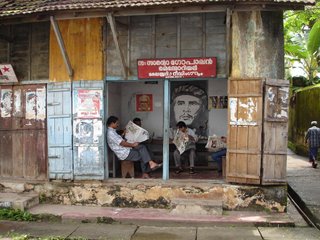
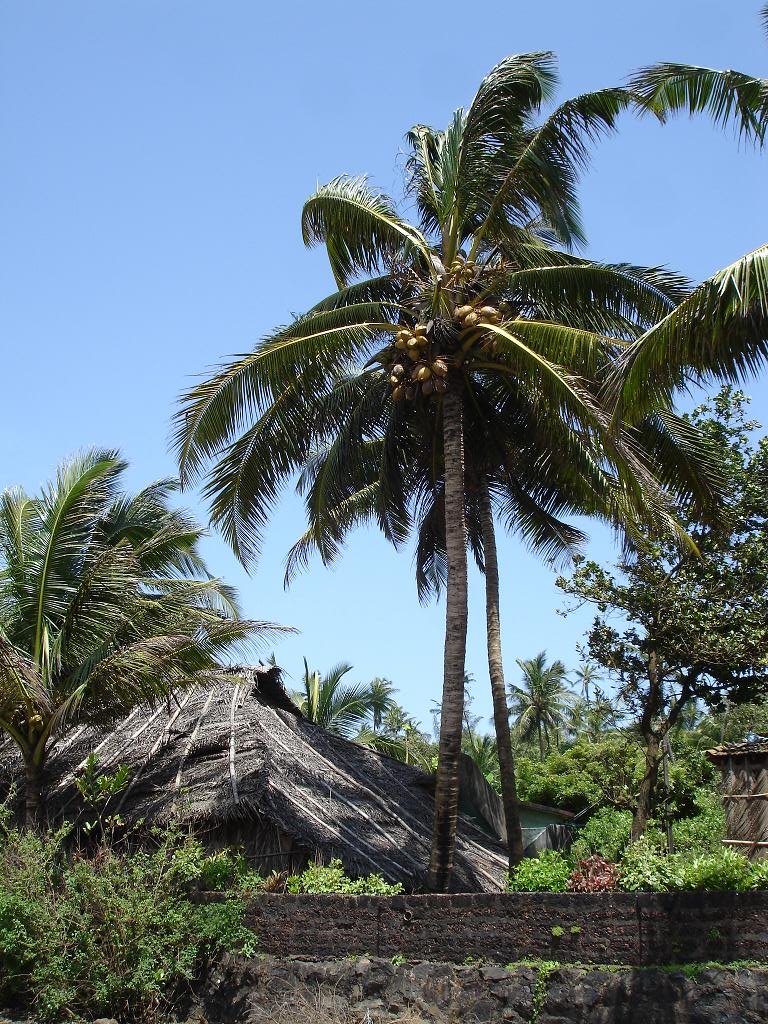
Several days in Kochin, a pleasant place. An old port town, with marks of Portuguese, Dutch and English. There are very old trees growing in the middle of pavements in the streets of the port, several griths in width, with young leaves growing from their trunks and branches. More cats on streets than dogs, and they're not afraid of people at all, although they walk cautiously. The Indians, the goats and the fish eat the coconuts pulp, I don't like it too much. Big chinese fishing nets along the dock, lifted and dipped by 5 men. The variety of sea food that they fish out is great, and very delicios, as the traditional South Indian food. The guest houses area is near two big churches - Santa Cruz and St. Francis. It's really amazing how strong is the faith of people all over India. Although the gods change, the worshipping of statues is same, and sincere. I'll never understand this. Farther right is the Bazar, there are shabby buildings, that are overgrown with moss and plants due to long time and moisture. Families live in them, spices and oils merchants hold their shops, and communist activists make their ideological work. Now they're fighting agains Coke and Pepsi (may the Force be with 'em).


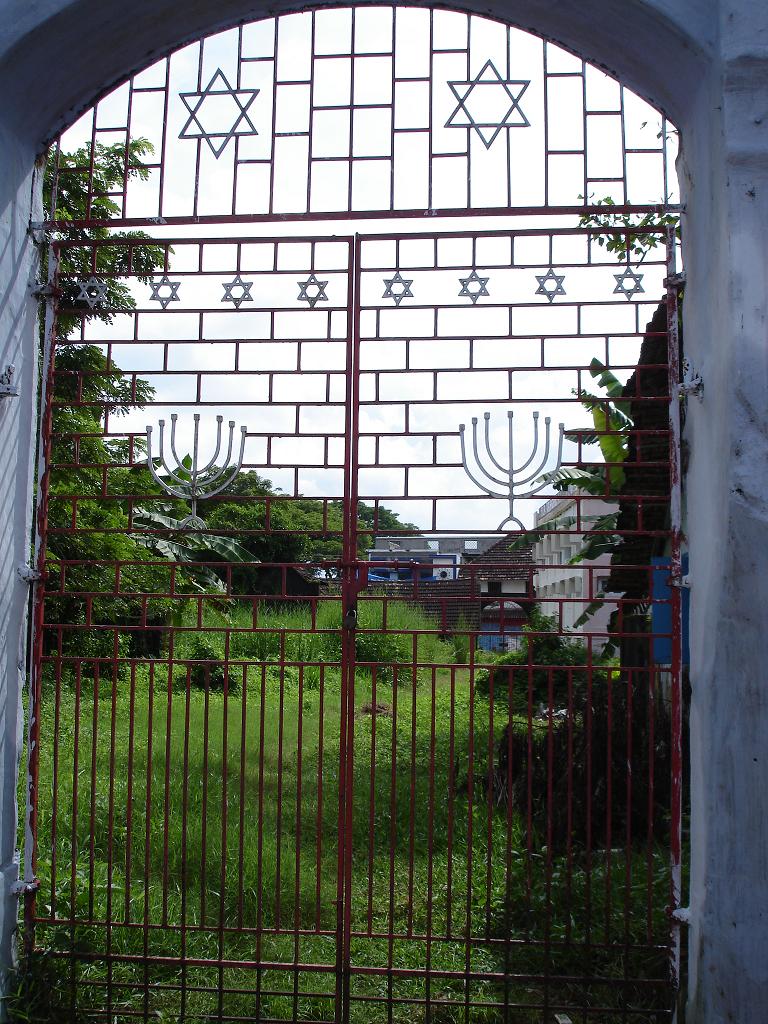
Then begins the Jew Town, although the Jews are long gone. Now it's an area of art galleries and spices market. The synagogue is still there, though, empty and light, maintained (pretty well) by Indians. On saturdays and holidays (Jewish) it's closed :)


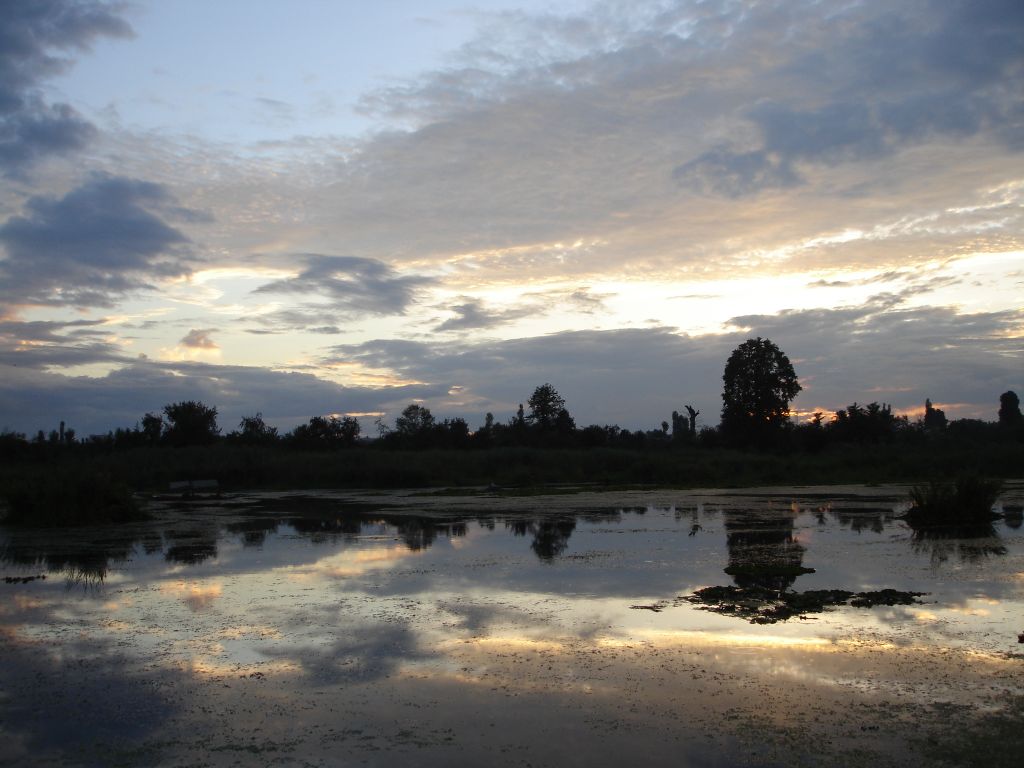
From Kochin down south lies a big network of water channels, called backwaters, with plenty of cocunut palms and other vegetation on their shores, little houses between them, women are working on farming or collecting some plants, going up to their neck in water, never mind the snakes and all other things in it, and the tourist floating on cruise boats and watching all this stuff.
Peace and Shana Tova :)

Monday, September 18, 2006

Mangalore

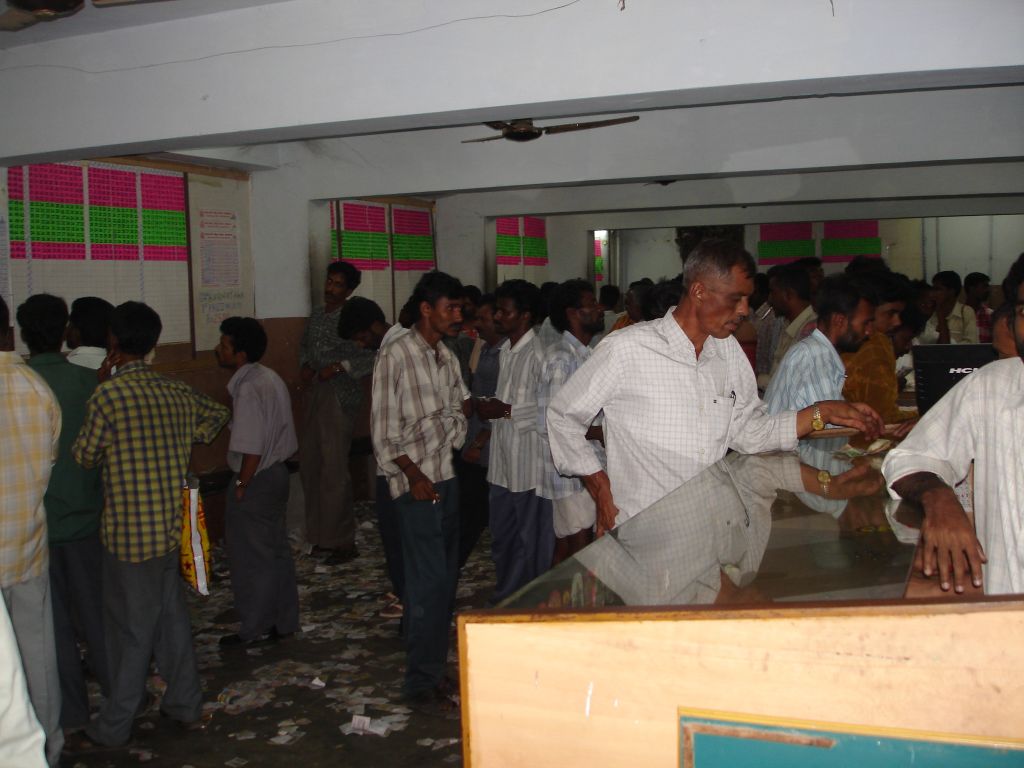
Mysore was a nice town, although I was hassled a lot, people were trying to sell me everything, from cocunuts and incense to pineapples and opium. I made sight seeing for two days. I went to the Devaraj market, full of colors and scents. I also visited an art gallery where there are some beatiful works of a Russian painter, Nicholas Roerich, who spent some time in India. At evening I wandered on the streets and got inside a gambling place. Apparently, people were trying to guess a 2-digit number to get 100 Rs. There was a lot of excitement in the air.


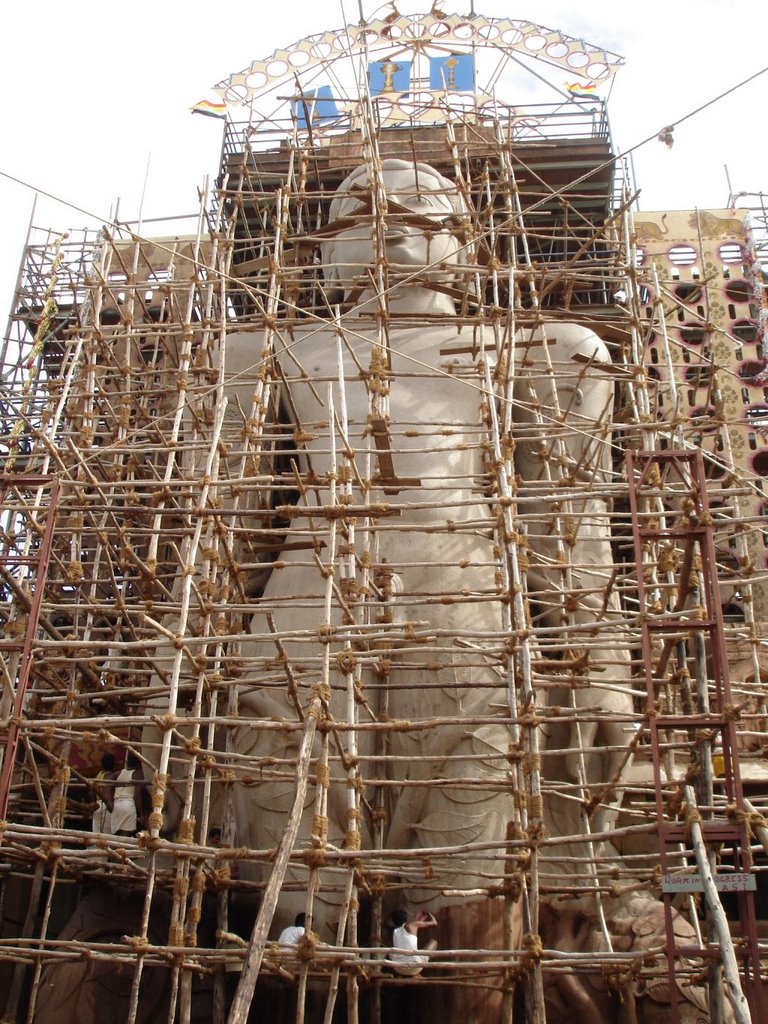
After Mysore I moved to Hassan, pretty noisy town, surrounded by villages with some nice sights. First, there is Shravalabelagola (don't know who's responsible for the name). There are two hills in the village, people are supposed to climb them barefoot. On the first, there's a complex of 14 Jain temples, and on the second, a huge monolith statue of some Jain deity, I didn't even try to remember the name. It was going through renovation, but still, looked very impressive.


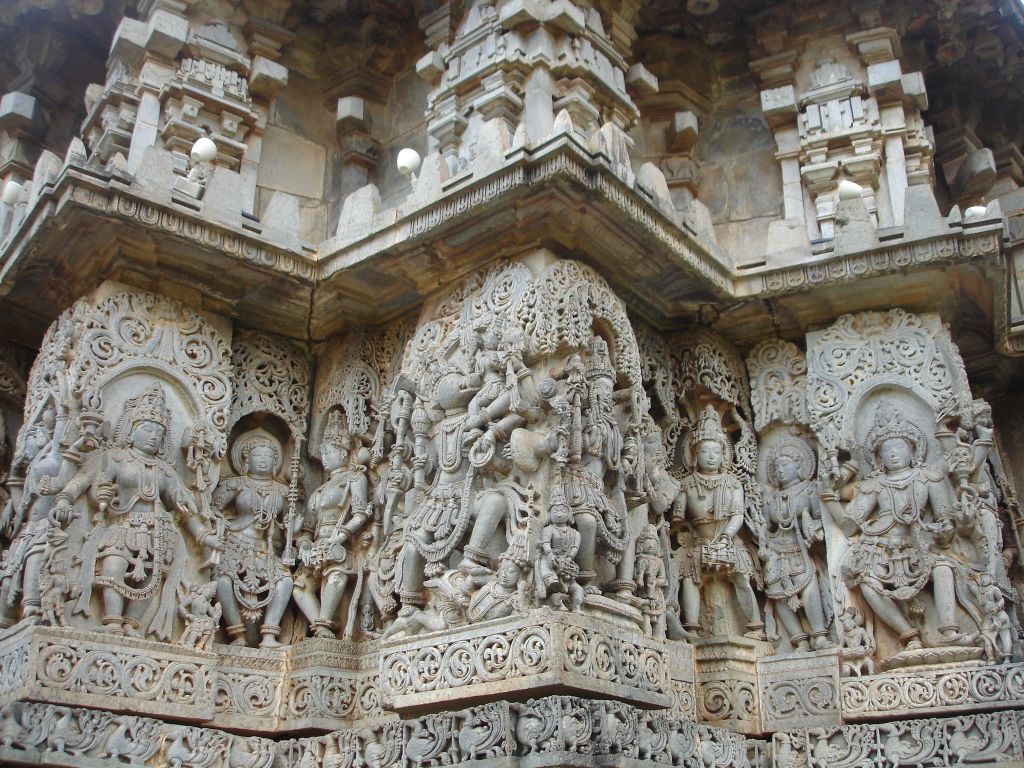
Next day I visited Halebid and Belur, two villages close by. They have Hindu temples with amazing stone carvings, so much details, great amount of precise work.


Then, I returned to Hassan and took a bus to Kushalnagar. It surprised me to find out there are Tibetan settlements in Karnataka. The Tibetans are very kind and peaceful people. The monasteries are quite big, there are thousands of monks around.


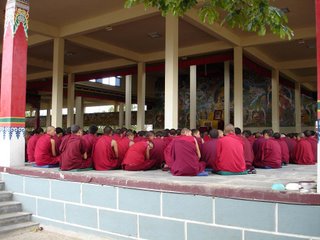
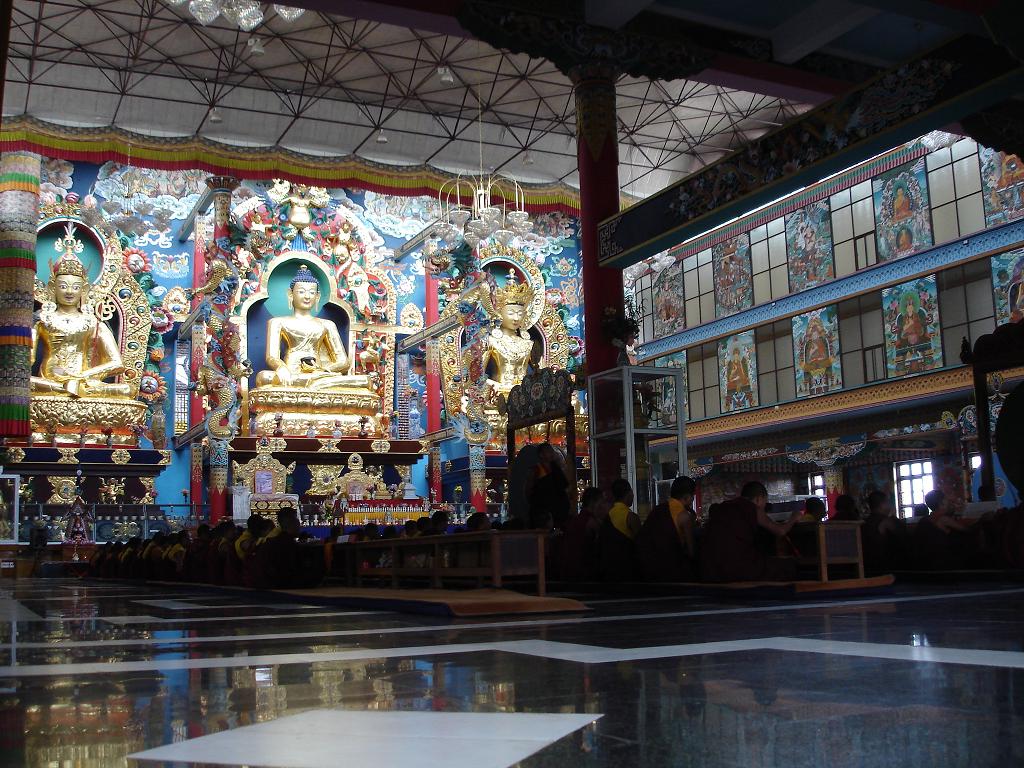
There are few temples in the monasteries, the biggest is the Golden temple, which has a huge hall with giant statues of Buddha and 2 other guys, I'm not so good with names :) When I got there, there was a morning ceremony, hundreds of monks were sitting and chanting, some hit the gongs, some played flutes, all very synchronized, so the noise had its charm.


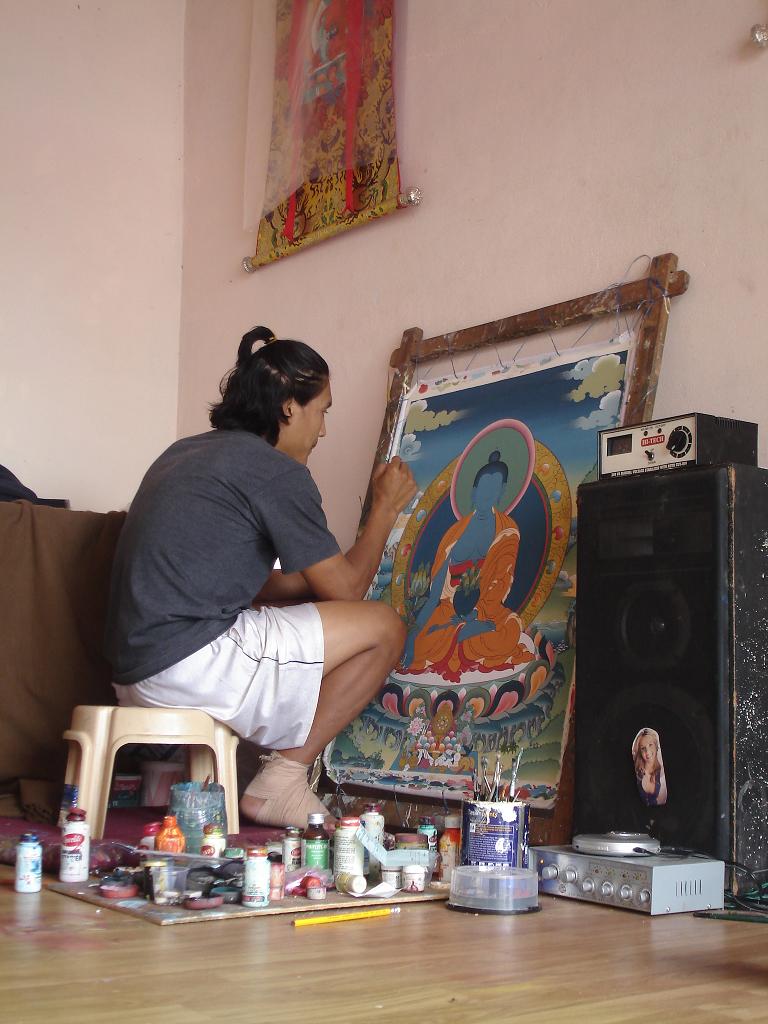
I got to speak to a friendly monk, named Ngaway, he showed me around and was very nice. The settlements are a refreshing change from the rubbish of nearby Indian villages. The secular Tibetans work hard, some of them make beatiful art stuff, carpets and thanka paintings.


The next day I got on a bus to Mangalore, a big modern town on the west coast. It's a mix of religions here: I've seen catholic nuns and women covered with burka on the streets. I finally found a relatively cheap air tickets from Calcutta, so October 24 challo Bangkok! :) Tomorrow heading south, to Kerala state.

Damn't, I can't believe I gotta edit HTML!!!

Tuesday, September 12, 2006

Mysore

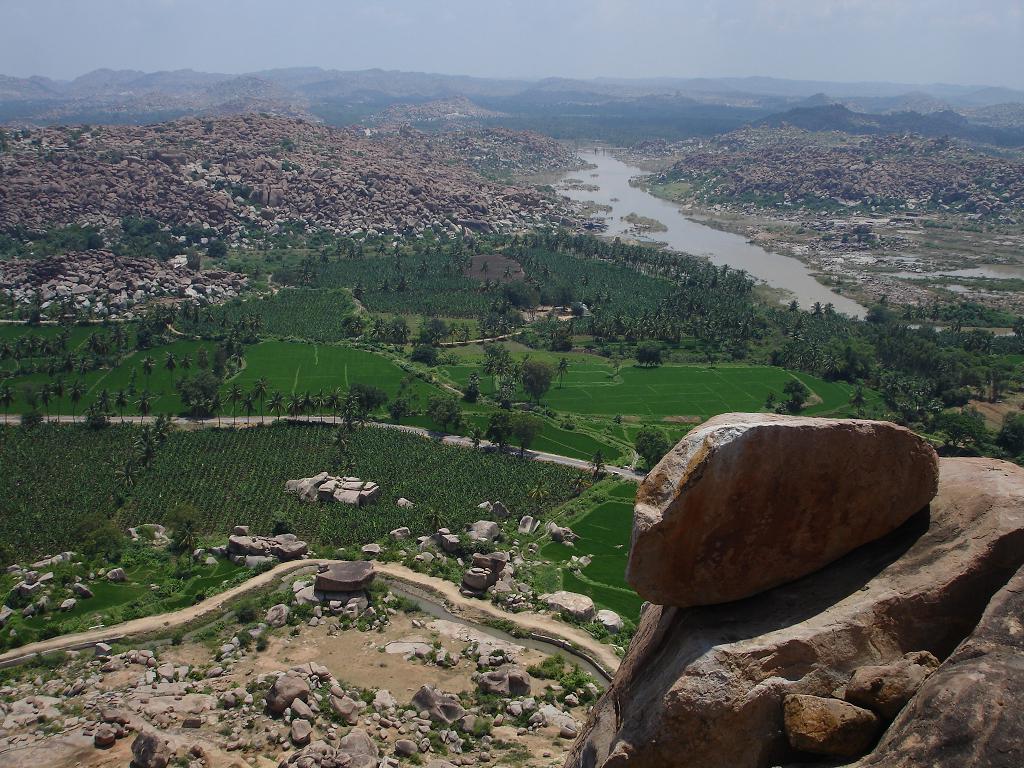
Exploring the ruins in Hampi wasn't an easy task, because of the huge area and the heat. In the 4 days I spent there, climbing the boulders' hills and discovering new temples and buildings of the ancient city, I never got bored. On the second day, I crossed the river, walked through rice and banana fields and climbed 500 stairs up to Hanuman (monkey god) temple. There were lots of monkeys on the way, I gave some bananas to the small ones, and then the big ones came, they were really rude. In the temple lives a friendly baba, a young guy, he speaks well English and is fun to talk to. The views from up there are great, as far as one can see there are boulders in piles, and the buildings seem really small compared to them.


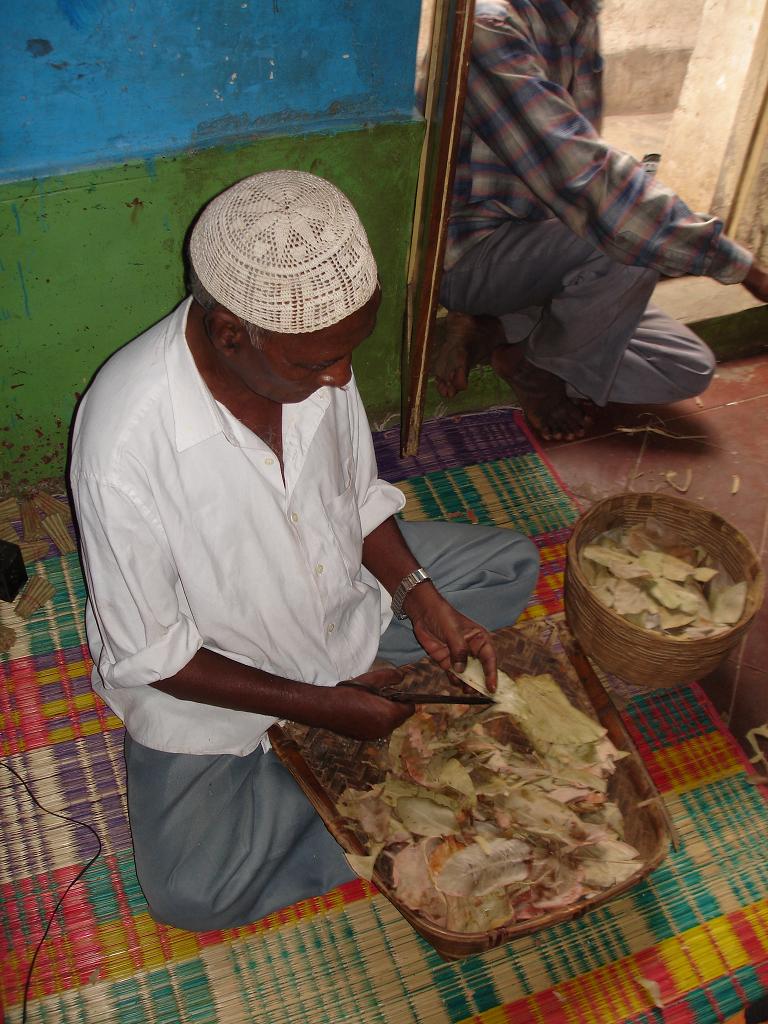
Hampi has so much energy, just sitting under one of these rocks gave me vibrations. I left yesterday on a night train, the ticket was to Mysore, which involved changing trains in Bangalore, the high-tech city of India. I thought about leaving my bag in the cloak room, explore the city for a while and catch a train to Mysore. The station was going through some renovation works. In India it means people have to walk over the renovation site. Hundreds of people coming out of the train, crowded together on the stairs without banister, trying to get out of the platform. As soon as I got out, I took the train to Mysore which was leaving in a few minutes. So much high tech for me, although the plasma screens in the waiting hall of the station were nice. I got to Mysore around 11. Mysore is known for manufacturing sandal wood oil, the maharaja's palace and the ashtanga yoga centre. Since I have no time to learn yoga now, I went to the other attractions. A friendly rikshaw driver took me to the working people quarter, where I witnessed the process of making beedees, the Indian hand rolled cigarettes. It was cool, the guys work with speed of a machine, making thousands of pieces in a day.


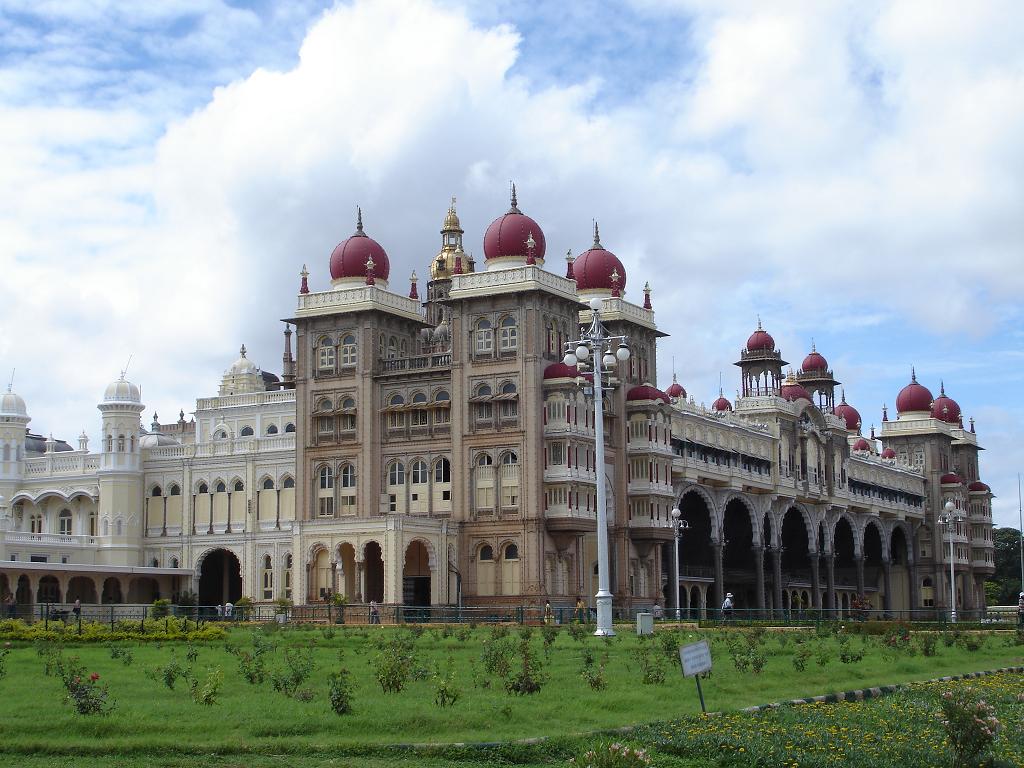
After visiting an oil shop I came out with my sense of smell in a state of shock, the guy poured so much different sorts of oil on me. Then I went to the palace.


The architecture was impressive, vast halls with gold decorations, beatiful wood furniture, paintings and statues. The paintings were made in a Victorian style, the maharaja, maharaja's wife and their children in various combinations, all looking very rich and stiff. I really didn't like the big elephant tusks on the walls. Very bad karma.

Friday, September 08, 2006

Hampi

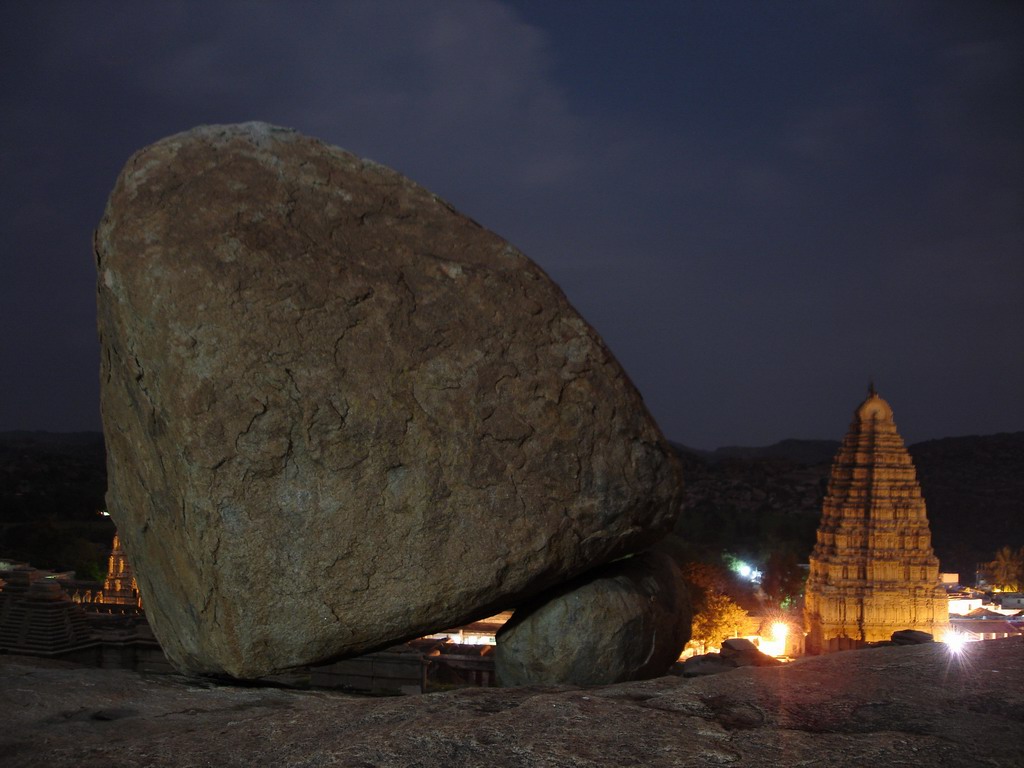
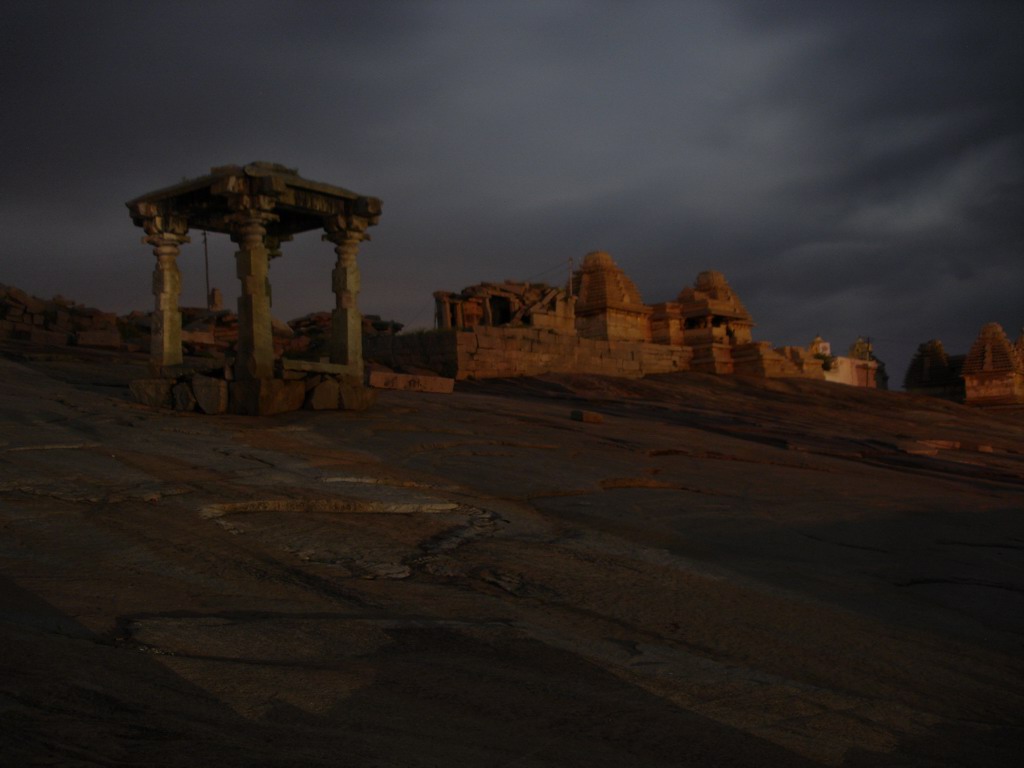
After a few days in Kutle beach I decided to move on. The next destination was Hampi, a village with ruins of an ancient Hindu empire capital. It's located more than 200 km east from Gokarna, and there's only a local bus in low season. It was a long journey, but since the road was flat, it was ok. The place is amazing, the ruins are spread around a huge area, impressive temples and hundreds of gigantic boulders.


It's hard to believe humans did this amount of work, especially in the ancient times. There was a full moon yesterday, and also a lunar eclipse, the sky was full of lightenings and the whole scene seemed to be taken out of some fairy tale.

Tuesday, September 05, 2006

Gokarna

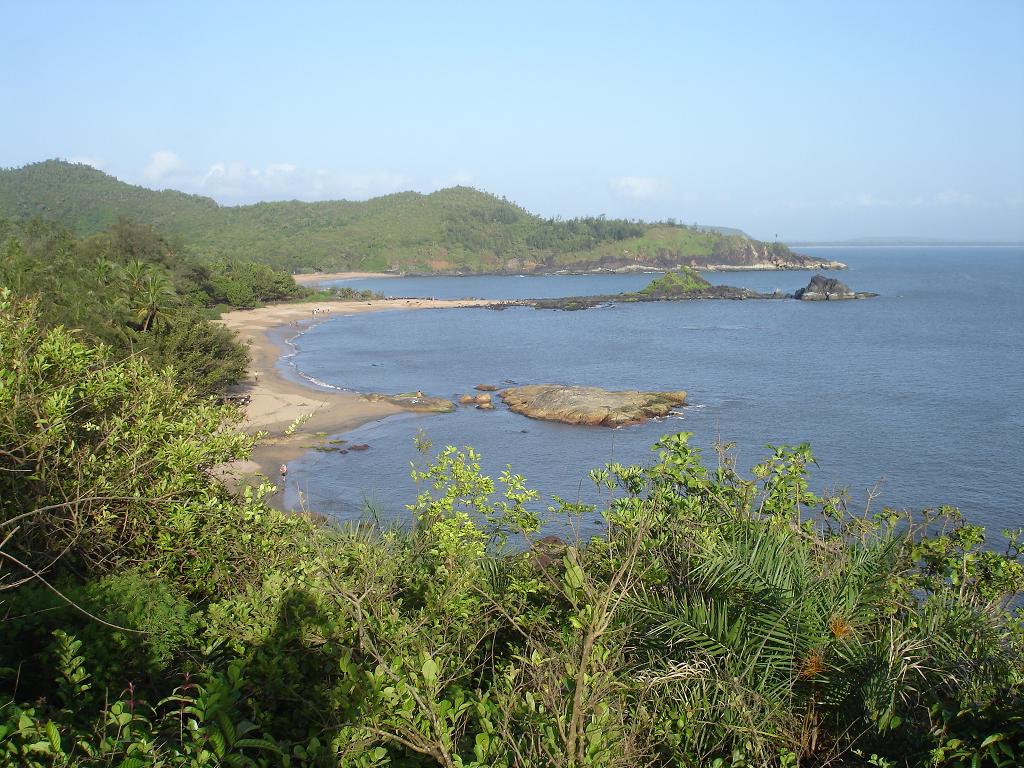
I spent 2.5 weeks in Dharamkot. It's hard for me to stick to one place, so I learned some music (flute and table) and also some Hindi to keep my days busy. The weather was very wet, it rained most of the day. I made some thinking where to go next. September is supposed to be really beatiful for trekking in the north, the monsoons are just over, the air is clear and the views are amazing. The south is on low season now. I decided to go south. I loved the mountains of the north, and still I think these places are the most beatiful parts of land we've got, but I needed a break from them. I've got until end of October to hang in India, and I wanted sunshine, heat and ocean. I travelled on the night bus to Delhi and dropped most of my stuff there, and then a 2 days train down south. I got a sleeper ticket and it was a great journey. People were passing all the time, sellers of food, drinks, faked jewellery, magazines etc., and lots of beggars too, mostly children, sometimes cleaning the floor or doing acrobatic exercises in the narrow aisles, also old women and crippled people. If I got change, I gave them. The train crossed places I visited half a year ago on my way north, on the second day morning it entered Mumbai, in few hours it went through Goa and around midnight I got off in the south, a town named Karwar, in the northern edge of Karnataka state. I spent the night on the train station and went to Gokarna on the morning, switching buses on the way (luckily, very short rides). I was very excited and happy when I saw the ocean at least. The weather was beatiful, few people were around. First I was in Om beach, which is shaped like the Om symbol.


It's a 3 km walk, sometimes in the jungle, to the town of Gokarna. Then I moved to Kutle beach, closer to the town and cheaper too. The town is quite religious, in the Hindu way. I saw many brahmins with white marks on their foreheads and their unique dressing. There was a festival the day I've arrived, dedicated to Ganesh, the elephant god. A procession of kids carrying flags, some men with drums and flutes were playing and others dancing, and 4 guys were carrying a statue of the god. They moved slowly along the street and stopped from time to time, so that more people would join the party. Finally they went to the beach and threw Ganesh to the ocean. Why like this?
Anyway the south is great, although it's low season, and maybe because of it. The water in the ocean is muddy, but it's very pleasant to swim. And they got all these tropical stuff: papayas, pineapples, coconut so I don't have to go far away to get some exotic shake.


Bom

Monday, August 14, 2006

Dharamkot

It's great there is cease fire! May it last for long :)
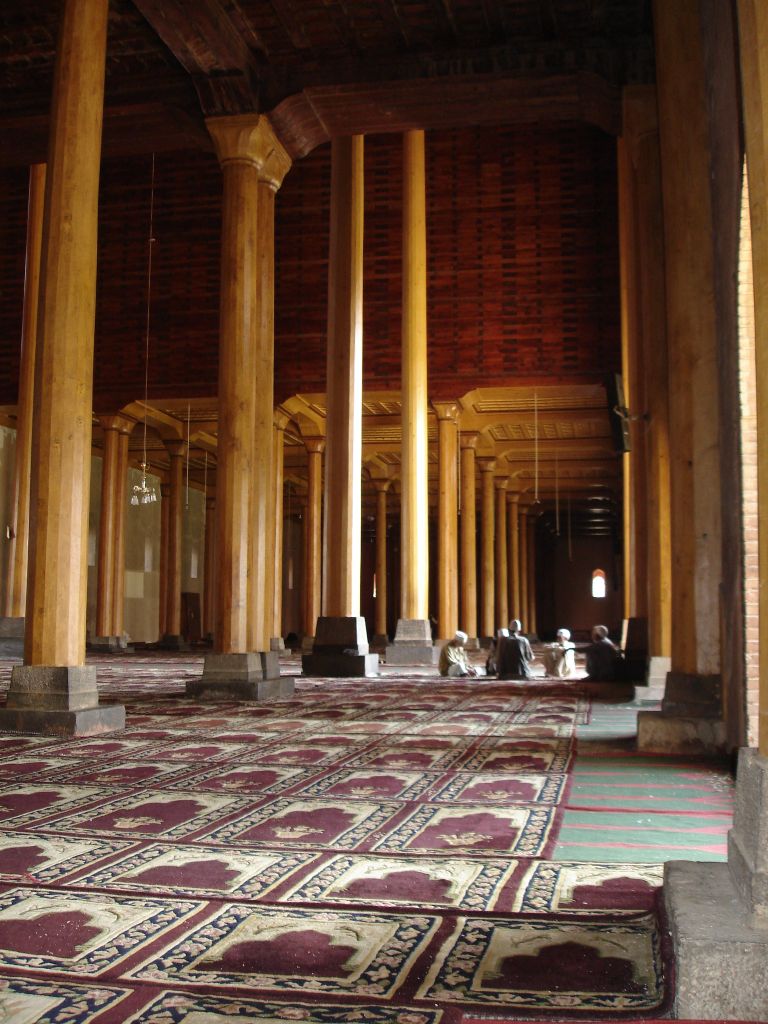
I spent 6 days at Nagin Lake, the most peaceful place in Srinagar. I could as well spend 60, time was meaningless in this place. I got up early in morning and spend most of the day sitting on the veranda, watching the lake or reading. The shikharas selling everything - handicrafts, grocery, flowers approached to the veranda and I could buy whatever I needed. Internet was the main reason why I got outside. I went for some walks in the city, just to get back after few hours. The old part had brick buildings from the Raj time, and beatiful mosques. I've never been to a mosque before and I found out them to be (at least there) places of true peace. In Jamia Masjid, huge halls with wooden pillars created an atmosphere of tranquility and love to God. Groups of men were sitting among them on the carpets, talking about their things.


It was a great place for meditation, when the mosque was almost empty between the prayers. I've been warned not to mention that I'm Israeli in Kashmir, but there was no problem at all. The worst response I've got was 'go away' when some shopkeeper asked me if I was Muslim, and I said no, Jewish. Others asked me about the war in Lebanon (as if there was no war in Israel) and some even spoke some Hebrew. On the 5th day I got sick and spent 2 days in bed, until I felt a little better, and than I dragged myself 400 km south. I spent a night in Pathankot and got on a morning bus to Dharamsala. Leaving the Kashmir Valley with its luxurious facilities I entered the plains of India again. Stalls of chai, fields of rice and ganja, and stalls again. And the people, of course. The crazy masala was all around again. As the conductor passed to collect the fares from the passengers, a man wrapped in loungi sitting next to me, told me something about money and pocket. I didn't understand, he insisted, I gave up and looked out of the window. Another passenger reached for the man's pocket and took out a note and handed it to the conductor. I realized the man had no hands. I said I'm sorry, he smiled politely while looking away. Then the conductor enforced the Indian bus rules on me. He said I should move from my seat to another side of the bus. Why, I asked, I feel ok here? He said because I should sit over there. I moved and opened the window. He informed me I cannot put my arms outside the window. There is no point getting angry at Indians (or at anyone else, in fact). Everytime I got angry at them, I felt stupid eventually. The bus stopped on the way, as the driver held helplessly the gear handle. That was refreshing. As a true Indian driver, he managed to drive a little more with means available, with what was left of the handle on the bottom, near the roaring engine. He stopped at some junction and another bus came and picked all the passengers. I got to McLeod Ganj at last, it seemed like backpackers' paradise. Packed with guest houses, restaurants and handicraft shops, it wasn't noisy like most tourist places. The Tibetan community gave the place an atmosphere of honorable dignity. The town looked really prosperous. The economic success of Tibetans seemed to emphasize their struggle against their motherland occupation. I really sympathized them. Their hard work made the place very special. I went up to Dharamkot, small village above McLeod Ganj, which looked like Shenkin street in a middle of a forest. The next day I collected the parcel my parents sent me and after half a year I got music again! It was good to have a break and even better to have it over. Now instead of ignoring all the touts, I just won't hear them :) Anyway, I'm thinking to settle here for a while, it's a nice place.
!כל הכבוד לצה"ל

Tuesday, August 08, 2006

Srinagar

I left most of my stuff in Kargil and took only the essentials for trekking (berry jam included). From Lamayuru, on the road to Leh, it took me 6 days to reach Padum in Zangskar region. It was very fast, I walked for 10 hours each day, because I had no tent and could sleep in the villages only. It was pretty tough, beatiful though.


On the 5th day getting up and down from the passes was over, I was in the valley of Zangskar river and the road was flat all the way to Padum. I had to return to Kargil, but there were landslides on the road, I had to wait a couple of days, until the bus started going. 40 km before Kargil there was a landslide, the mud river just crossed the road. The bus couldn't go, we crossed by foot and went by jeep from the next village. Then I was on a night bus to Srinagar, Kashmir capital. I woke up to find that the desert mountains of Ladakh were gone. We were on the Zonji La pass, on the eastern border of Kashmir. The mountains were covered with green again, herds of sheep and goats around. In Srinagar the weather was bad. It was raining for the past 3 days, the streets were flooded, and the water in the river and the lakes rised. I spent 3 days in the city, on a houseboat on Jhelum river. The main part of the city is full of military and barbed wire. The recent bombings were arranged by the government, people say. Full of shops selling wood carving, shawls, jewelry, papier mache and other Kashmiri stuff. The vendors have very persuasive techniques, a lot of hassling in tourist areas. But then, there are the lakes, shanti places, the reason why this place is called paradise on earth. The nature on the lake is amazing, plenty of water birds and fish, among floating gardens and lotus flowers.


Salam aleikum.

Tuesday, July 25, 2006

Kargil

That was kinda weird, but on the way when the bus stopped for chai break, I saw a Homeini picture in the chaishop. It was hanging there among pictures of Laxmi, the Hindu goddess of wealth and the Dhalai Lama, as they together would surely bring a very good luck for the business. And Kargil, after an hour, was a change from what I saw so far in Ladakh. A Muslim town, for sure. I wasn't sure if I should tell people that I am Israeli. Then I found out there are some Afgans, so I wasn't sure telling that I'm Russian was a good idea either. But it was ok, noone seemed to care, I'm just another gora :) And it's a nice place, too - people are different, but calm and friendly. Homeini is popular here all right, but just as a poster, it seems. People are more interested in local life than in anything else.

Sunday, July 23, 2006

Leh, again...

I spent 2 days in Leh, before going to the Markha valley trek. It was great: I renew my clothing, bought some books, got an ayurvedic massage and felt like a human being again. I couldn't stay for long, I really have to move after couple of days in a touristic place. So I caught a bus to Stok, and made a 6-day way, climbing on 3 passes and getting down again, staying in villages or in tent camps before the passes.


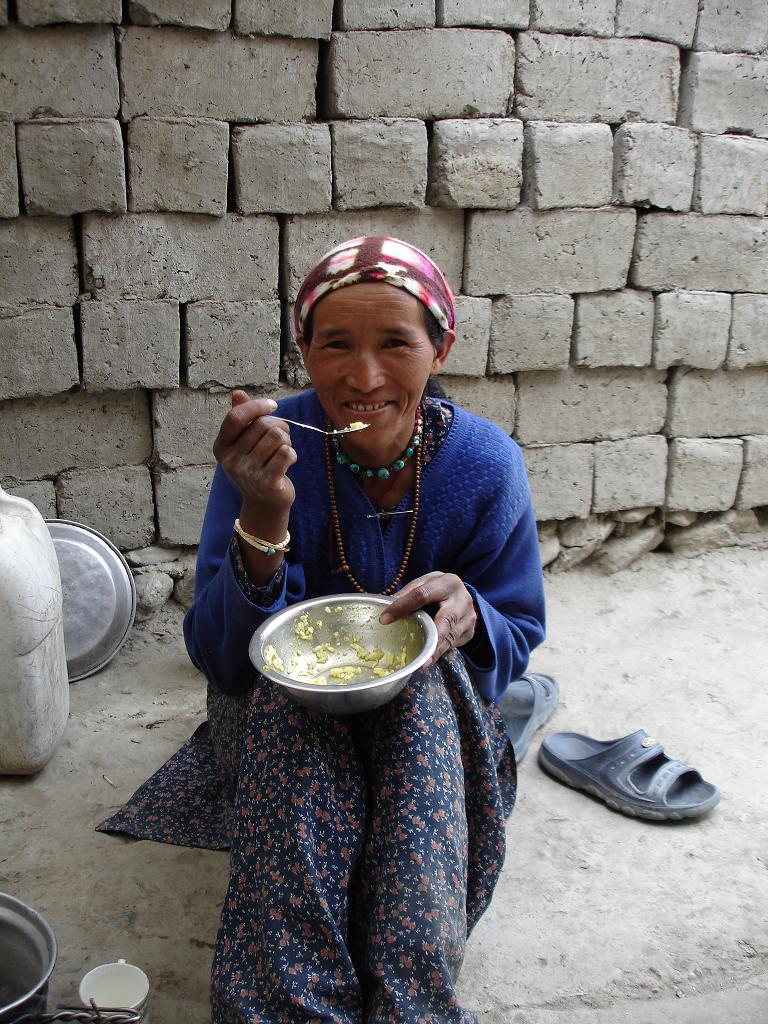
I really enjoyed the homestays, and I was amazed by the local women. It seemed like the villages are ran down by them: they take care of the animals and the children, the farms and the house, cooking food, cleaning, constantly working and always friendly and welcoming.


The people are really beatiful down there. They got this inner smile :)


I usually woke up at 6, drank chai and picked some chappatis with me. I ate them on the way, with great berry jam I took from Leh. I made the last 2 passes really early, waking up at 3:30, getting to the top to the sunrise. It was weird, because I could hardly sleep on these nights, but walking on these hours was almost effortless, and I enjoyed it. It was freezing on the passes, but the views compensated.


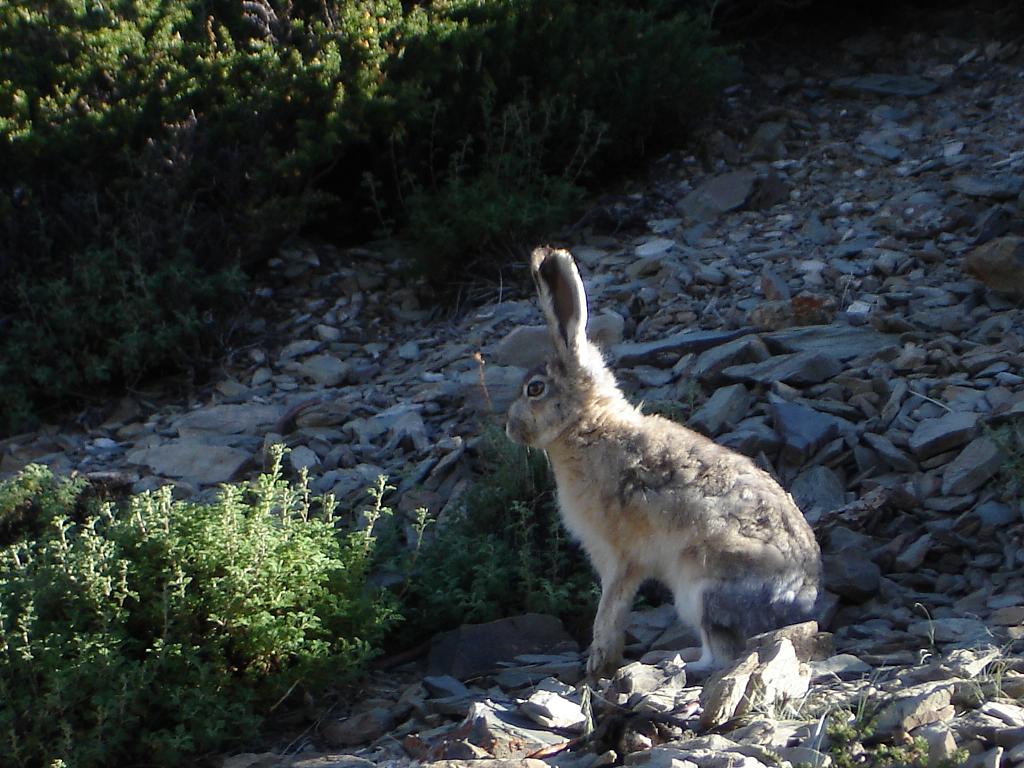
On the way down from Kanda La, the second pass, I've spotted many animals, hares and marmites and birds. Very nice.


Anyways, I was looking forward to get back to Leh, to check the news from the North. Not very exciting. I wish those bastards kept using the Baka valley for its peaceful purposes, like people do with valleys here. I pray that this shit will be over soon. Be happy :)

Monday, July 17, 2006

Leh

Seems like a war going on back home. One of the Israeli guys whom I'd met in Spiti, Gadi, who was travelling with a bike, had to go back. His brother was kidnapped in Lebanon. I thought about these people who must feel like great God warriors killing infidels. But they're doing it just for their sick ego, to get some future reward. If God is really on their side, how come they hide in bunkers and live in fear? God has plans for them too, no doubt. Their lives are wasted. So sorry for all people who suffered because of them.

Friday, July 14, 2006

Keylong

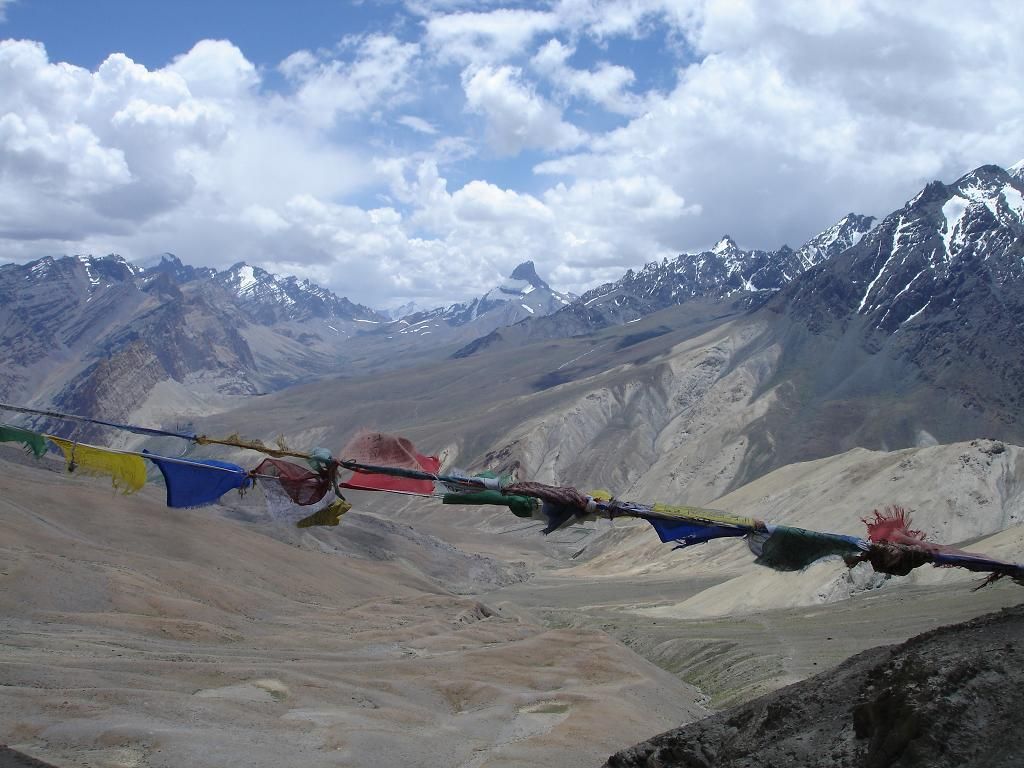
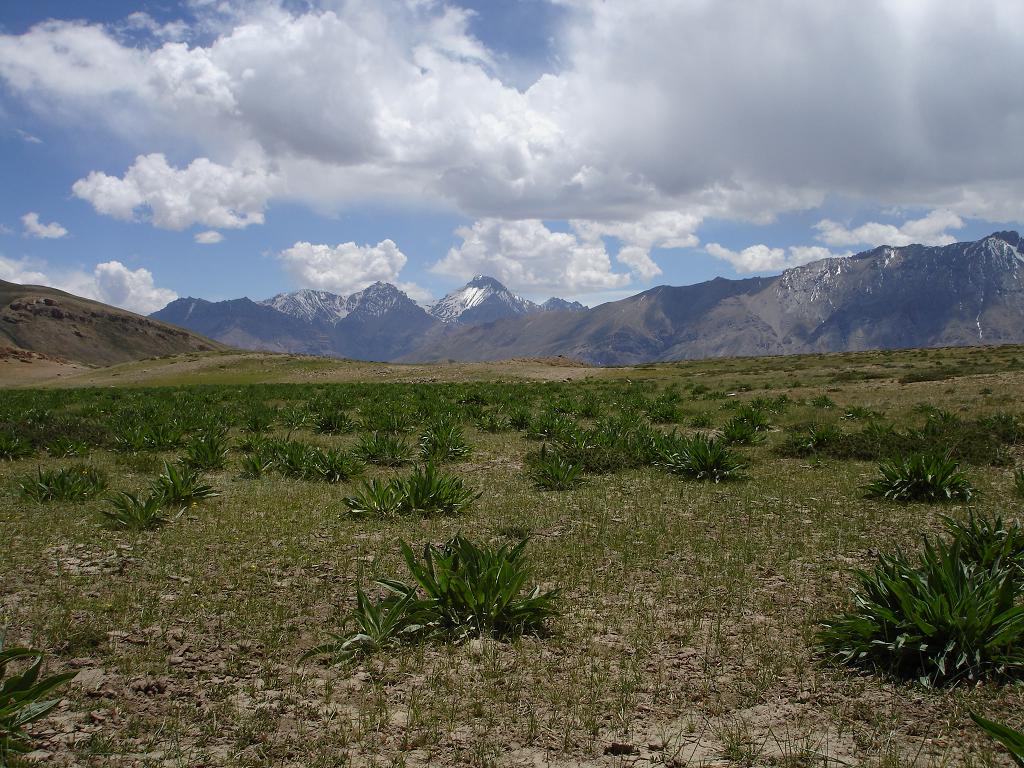
I felt that after leaving Kinnaur I will come to something completely different, and I was right. After getting a permit in Reckong Peo to go along the Inner Line, which is in fact the Tibetan border, I took off with a bus to Nako. And man, it all changed as we came down to the river. The green was all gone, there were just huge piles of rocks and then it was a great desert, which reminded me of Dead Sea and Arava. We arrived at Nako, and as I came out of the bus I just said 'Wow' because that is all I could say. It was a desert all right, but in incredible scales, with mountains stuck everywhere with no order as like God went wild with his imagination and just threw them over like some toys. Not only the landscape changed, the villages also. The houses were in Tibetan style - made of mud, painted in white, with flags and piles of straws on the roof.


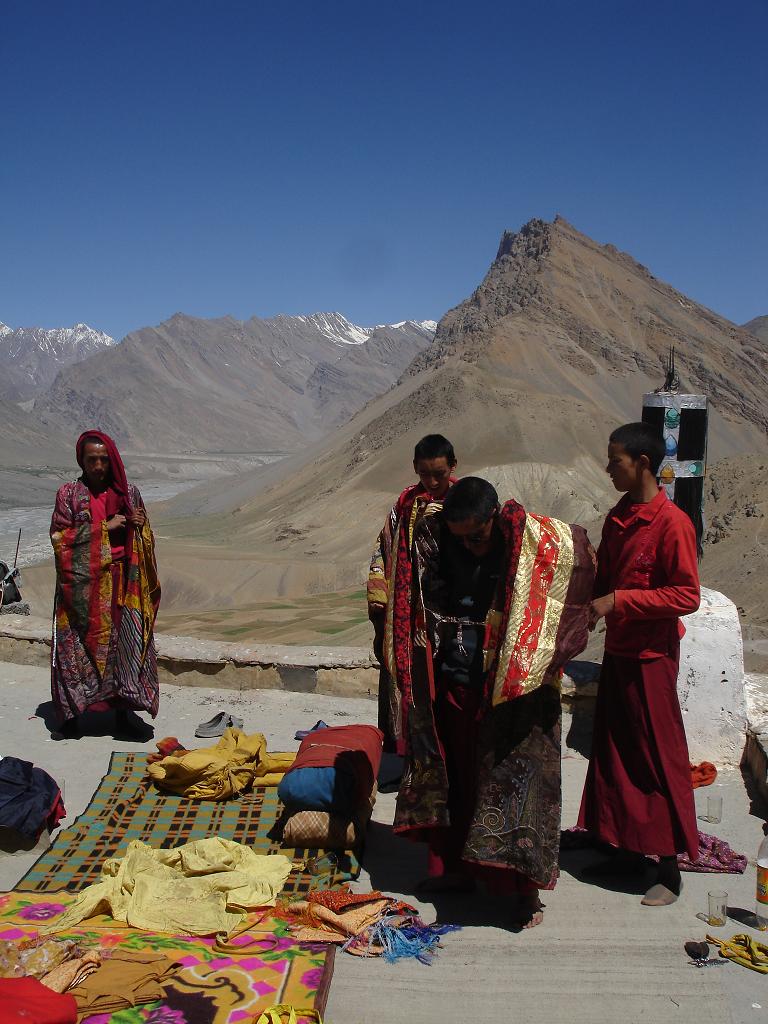
There was also a small lake by the village. I felt really strange in Spiti, it was sad and happy, empty and full at the same time. The weather was weird also, cold wind blowing and the sun hitting hard, the air was dry. I stayed there 3 days, wandering around. Then I made my way to Tabo, which had an old monastery, 1000 years old, which was built during one night as the legend says. It had some locked rooms, which one of the monks has opened, and there were beatiful wall paintings of boddhisatvas, animals, deities, earth, heaven and hell and so on.


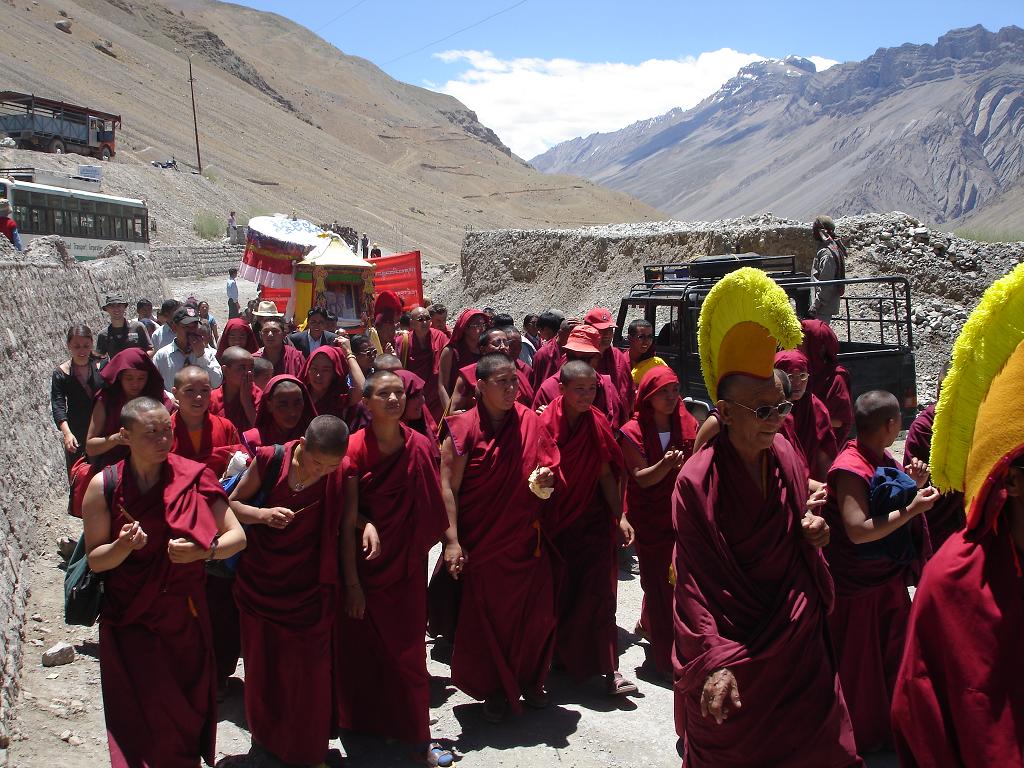
The people in Spiti are Buddhist, they're modest and friendly, although their life isn't simple. One of the villagers told me that his religion was kindness, and I was really amazed by this. They put white rocks on slopes of the mountains, so one can see from far away the 'Om Mani Padme Hum' (May all beings be happy). From Tabo, I made a small trek to Dhankar monastery, empty of tourists and enjoyed a Tibetan village homestay. Then, to Kaza, the administrative center of Spiti, packed with tourists, hotels and restaurants. There was a festival when I arrived, the Dhalai Lama's birthday, so the monks and the villagers went on procession from the monastery to the village and then made a dance show.


I was really tired of the noise. There wasn't much to do in Kaza, I had a ride to the Ki monastery, and then walked to Kibber, a quiet village, where I spent 3 days.


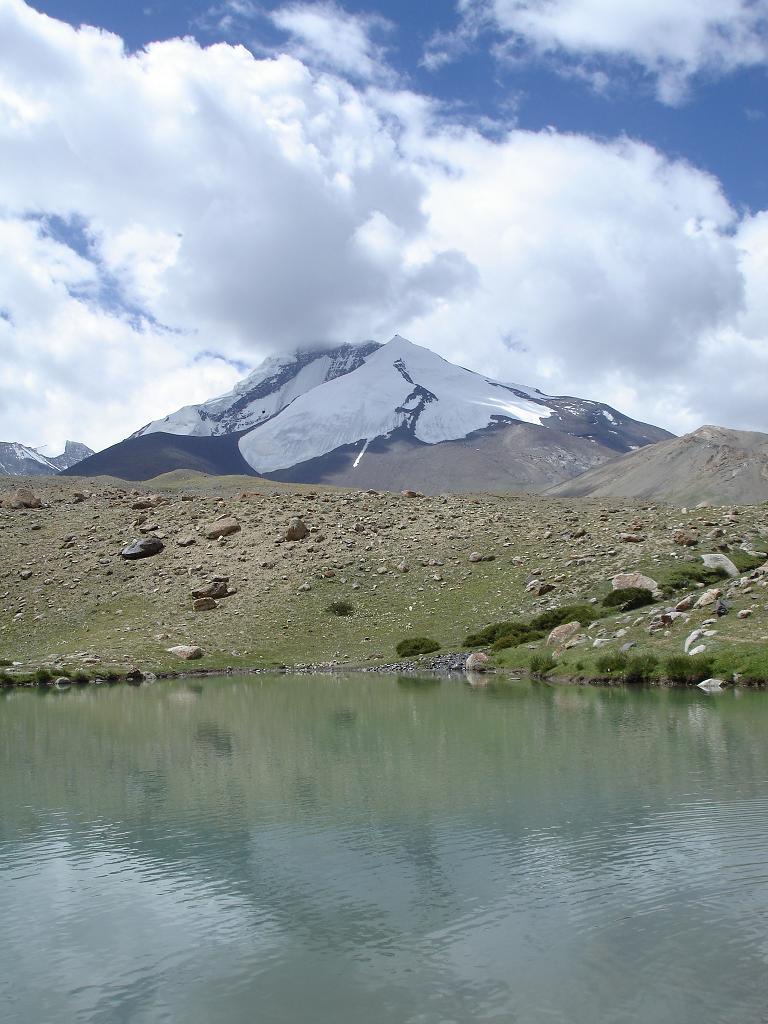
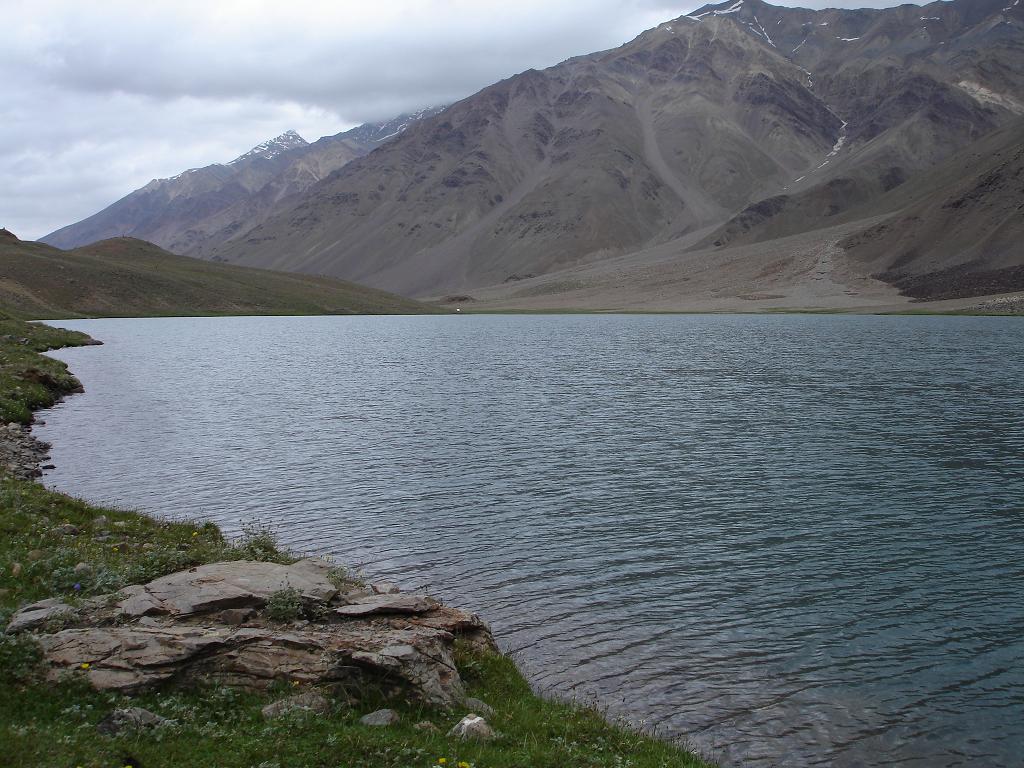
There I met a Spanish guy, Florean, and we made a little trek together, through the remote villages of Gete, Tashidang, Langza and Komic and then back to Kaza. He was really into all the shamanic stuff, so travelling with him was like being in one of Castaneda's stories. He was a great guy and we had a good time together. The people in the villages were beatiful, kind and helpful, the food was delicious and gave us great energy for the walk. We came down to Kaza after 2 days, I rested for another day and then took the 4:30 am bus, which dropped me at Kunzum Pass, from where I walked 9 km to Chandra Tal, 'Moon Lake'. The weather was cold and foggy, rain started as I was walking. There were tents by the lake, I stayed for 2 nights, happily wrapped in 3 blankets.


Today morning I left, made my way down to Batal, cold wind blowing full power in my face. I was very lucky to catch the Manali bus that was about to leave, so I jumped for 3 hours on the back seat, and got off at Gramhoo, on the road to Leh. Then I hitchhiked and had a great ride in a truck driven by a Sikh guy, wearing a turban and uniform. The road became better, the truck was flying all the way to Keylong and I watched the green trees on the mountains. It was nice seeing them again. Leh is 2 days away, I'll do my best to enjoy this long ride.

Friday, June 30, 2006

Reckong Peo

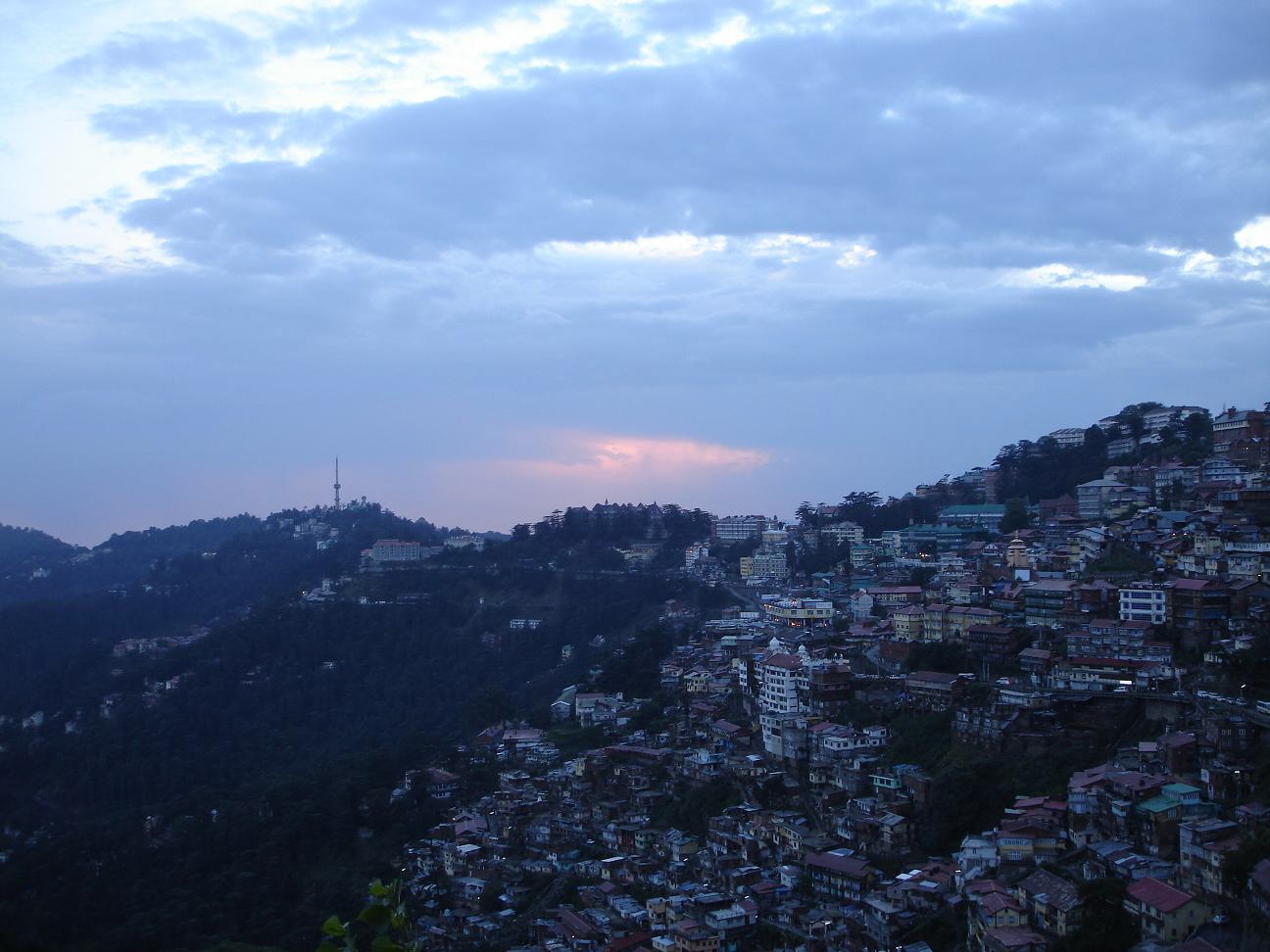
Well, not exactly. Reckong Peo is just a place with i-net, I'm staying in Kalpa village, above it. I made my way from Shimla, which was a nice place to stay. It didn't look like an Indian city at all, more like a European mountain resort (I guess, since I've never been in one). It has a nostalgic atmosphere of British times. Many buildings remind of this era - concrete and wooden, set among sea of green on the hills.


The town was once British summer capital, and these guys sure knew how to have a good vacation. There aren't many sights in the town, people spend time just wandering in the Mall. After two days there I took off east, to Kinnaur Valley. The main idea was to follow the rivers until the last village. Stopped for 3 days in Sarahan, nice village with beatiful temple.


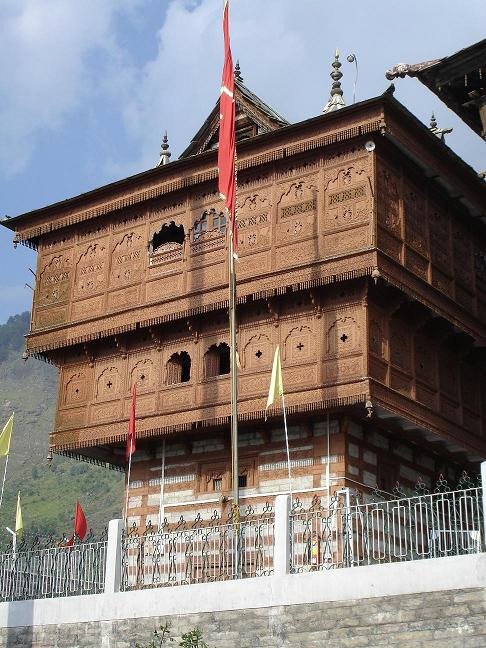
The traditional architecture is really amazing - concrete building with wood decorations and stone tiles on the roof. People of this area are more quiet than in plain side, and somewhat sullen. They have this traditional hat, that really amazes me with its lack of functionality. But it's nice, and they wear it proudly - men and women - maybe like a sign for adulthood, since I didn't see any kids wearing it. I made some walking around Sarahan, nice views to the peaks from the hills. Afterwards, more east - to Chhitkul, a remote village in the end of Sangla valley.


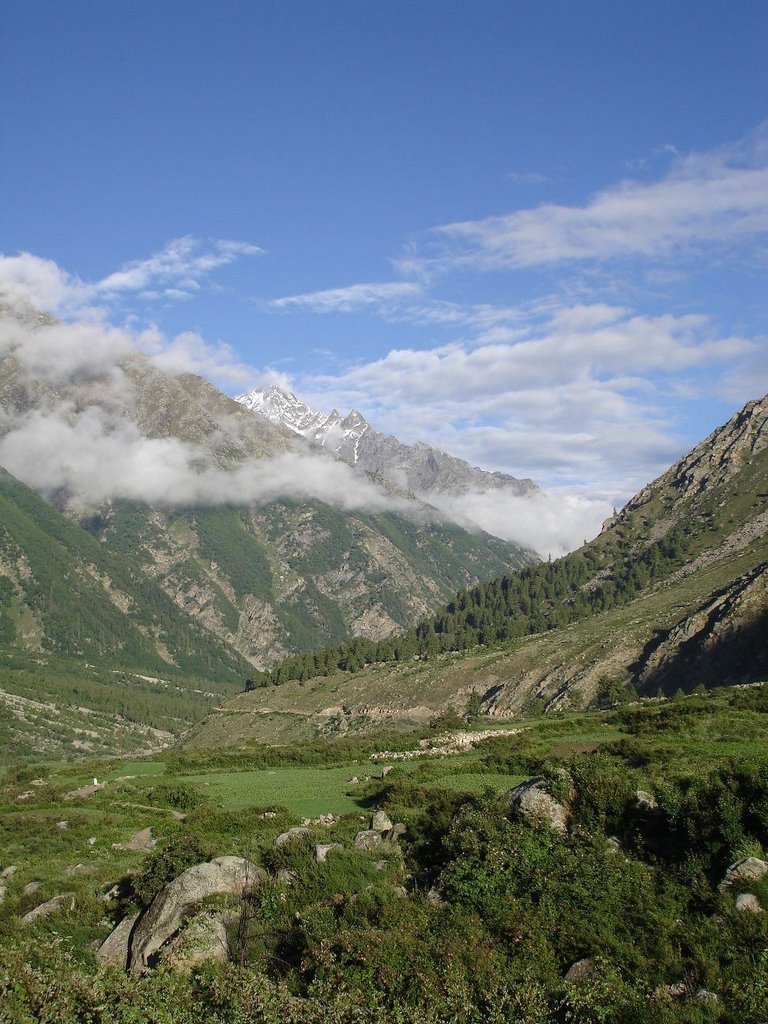
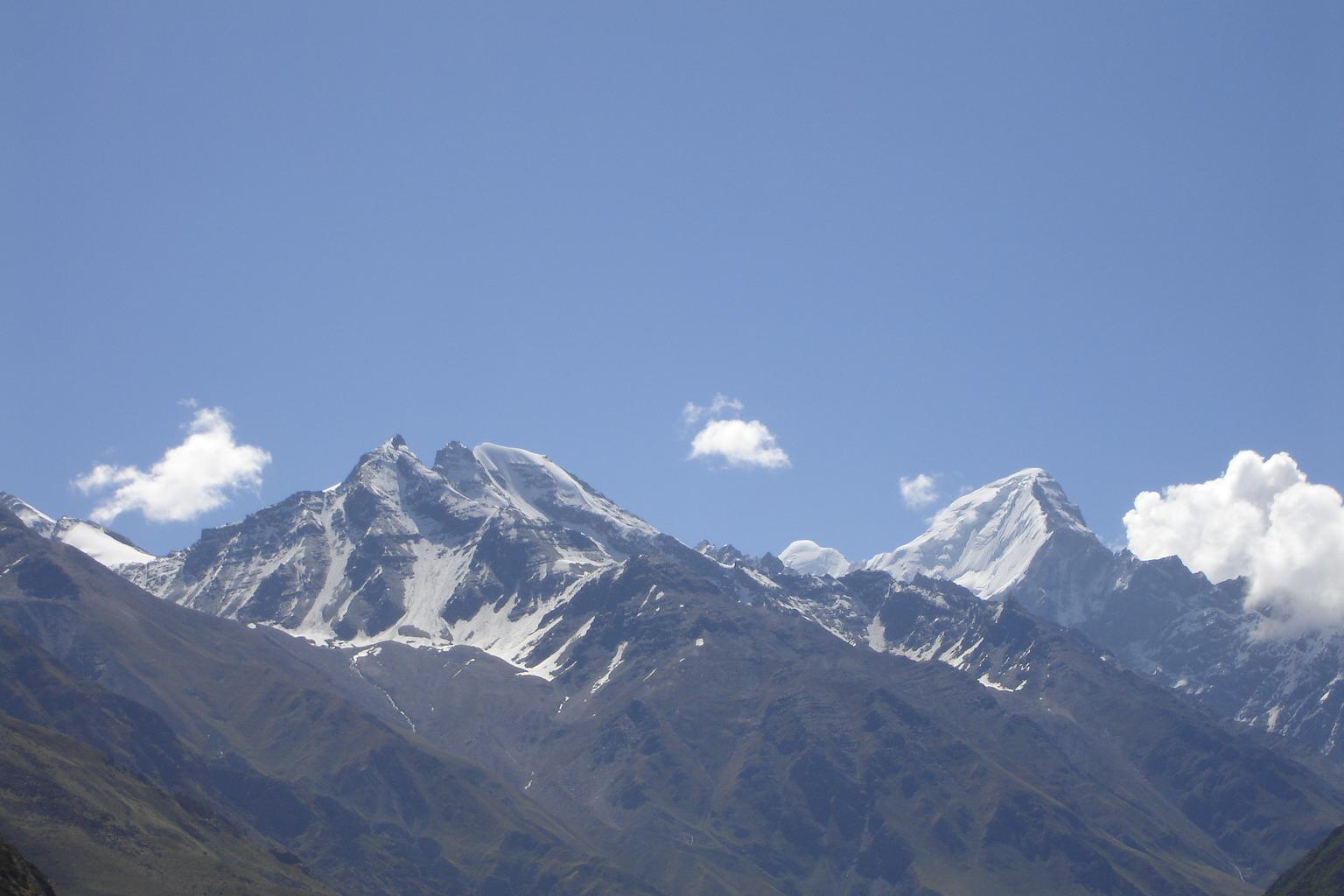
It's really isolated and quiet. Great walking, inside the village and around. The valley is really classic one - the river goes from east to west, snowpeaks above, the slopes covered with lines of vegetation - one side grass, the other trees. Great sunrises and sunsets... The river is crossed in a basket, which is pulled with a rope. Funny experience.


Kinnaur valley is supposed to be the quiet part of Himachal, but the Israeli invasion is here too. I have nothing against my country's people, but sometimes they're extremely noisy. Now I'm making my way along the Indo-Tibetan road, heading for Spiti Valley. Not much trekking, but it's good to rest sometimes.

Monday, June 19, 2006

Dehra Doon

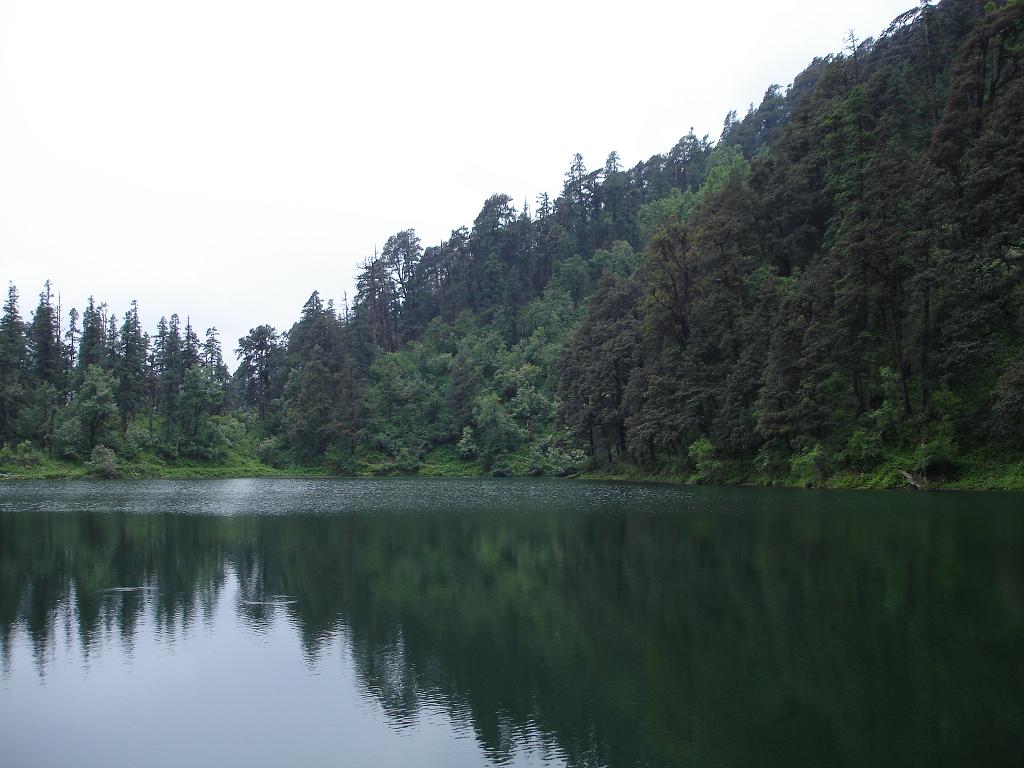
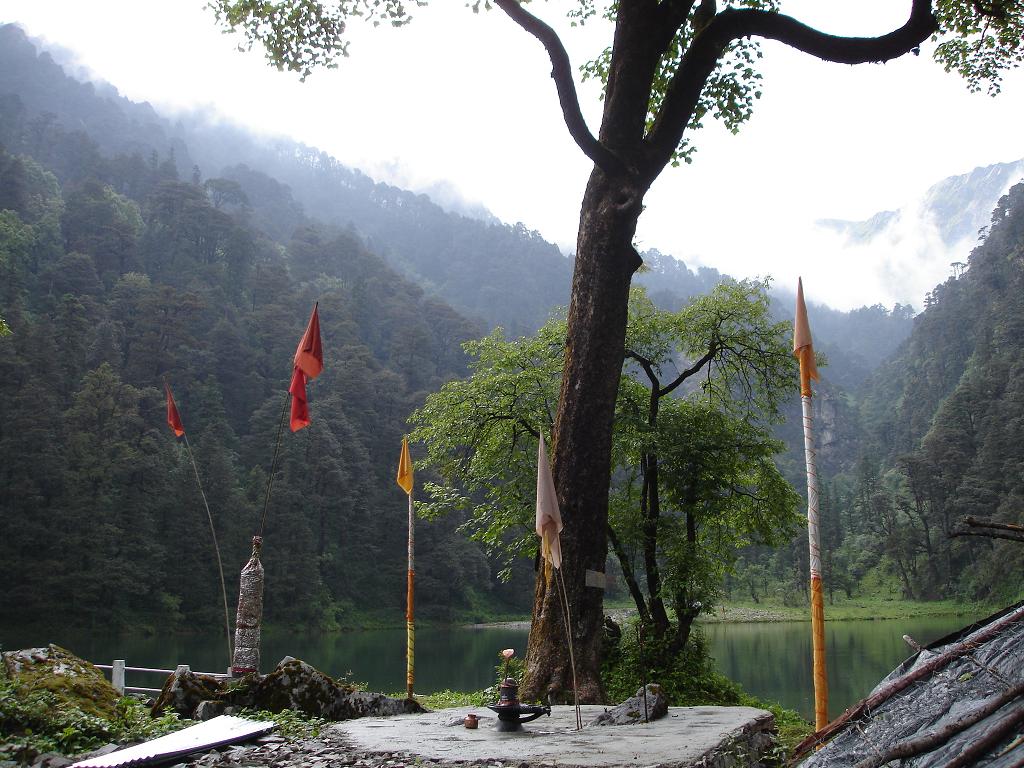
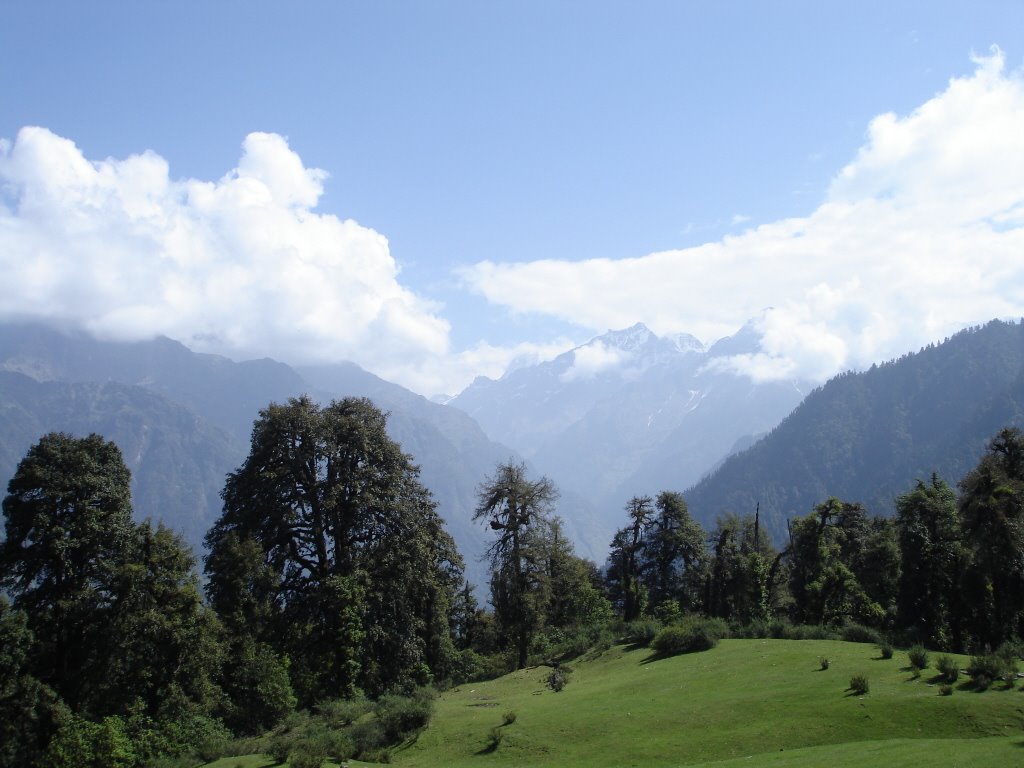
Gangotri was very nice, and there are many interesting places in the area worth exploring. To spare the buses, I wanted to go by foot as much as possible. There's a really beatiful pass from nearby Gangotri to Yamunotri, which is the source of Yamuna. The trek is 3 days long. Started with short ride down by jeep to Sangam Chatti, and from there by trekking up to Agora. Next day - to Dodital, a really majestic lake, surrounded by trees.


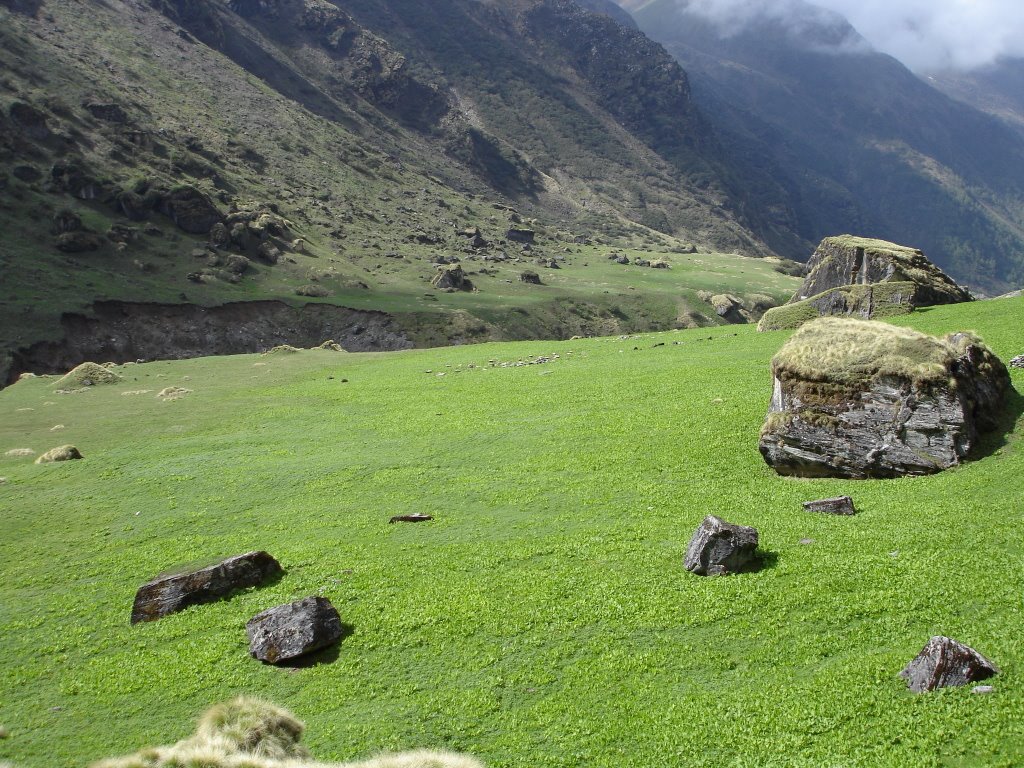
The place has a totally shanti atmosphere, and no tourists at all were in the area at this time. Relaxing there was great, and that made possible the tough 30 km hike the next day. First, up to the mountain meadows where there's no people but some cow shepherds with their huts. All is covered with grass and flowers. Good reason to smile :)


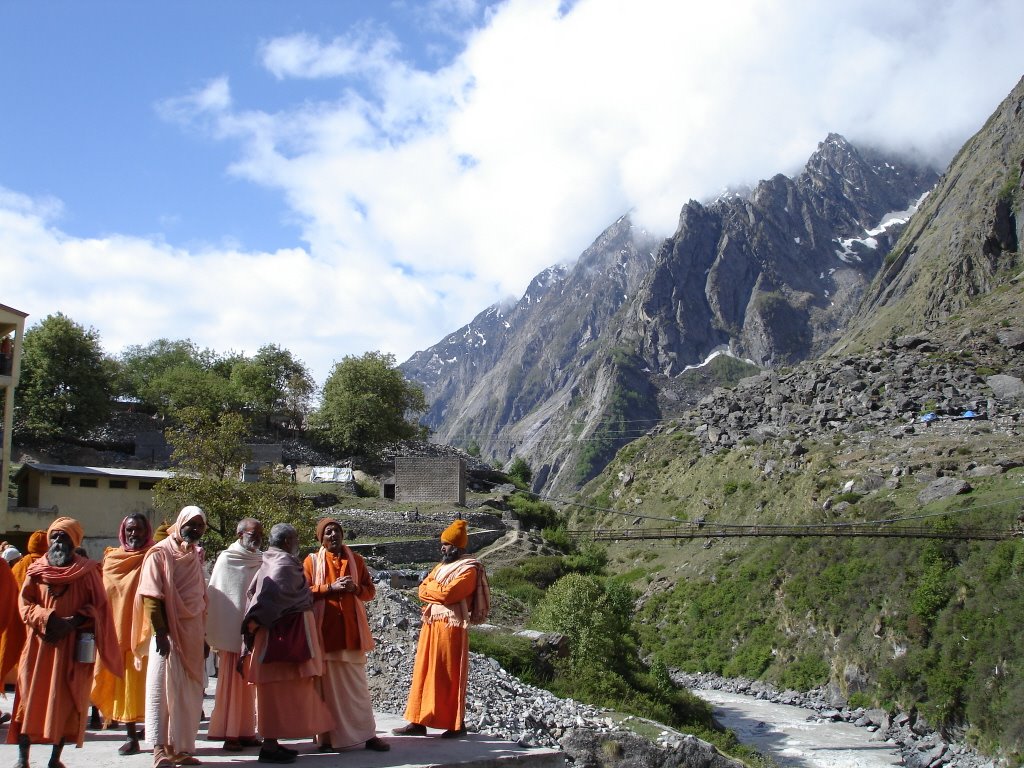
The way down wasn't much easy, because monsoon started and the trail became very slippy. Luckily there was a shepherd hut where the boy was very kind to make some tea. I arrived in Hanuman Chatti at evening totally exhausted, but in good mood. The day after I made the short Yamunotri trek, 6 km up swinging dirty road. Many Indian piligrims climbing up, chanting 'Jai Mata Di', probably for power boost. The donkeys and carriers business is flourishing, so it's a pretty busy trail. The temple in Yamunotri is not so impressive as the other three spots of the Hindu yatra, but still it's located in a great location, the mountain with 60 m waterfall is just above. The temple also has a hot spring, very appropriate for cool mountain weather. The piligrims wash themselves there happily after the long way up. Nice walk.
Now I'm in Dehra Dun, the capital of Uttaranchal district, getting some taste of city life. The city has a huge great park, where Forest Research Institute is located. Many kinds of trees, I just spent few hours wandering around... Besides this place, there's not much to see - typical Indian town. Tomorrow - challo Himachal...
bhole bom :)

Tuesday, June 13, 2006

Gangotri

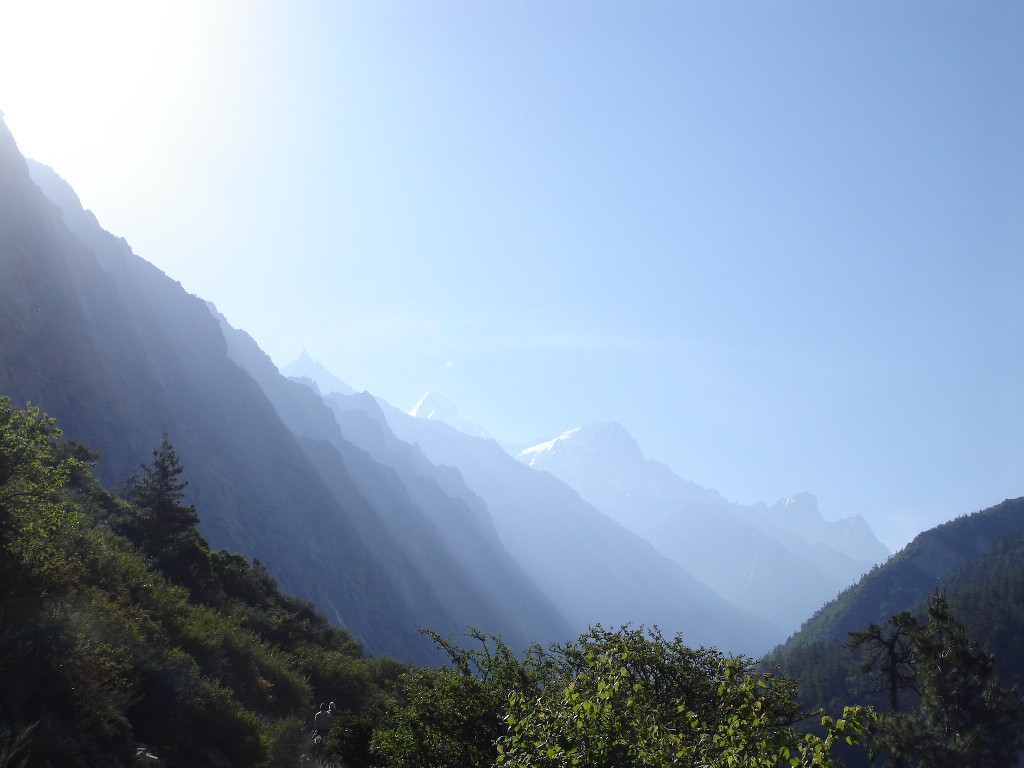
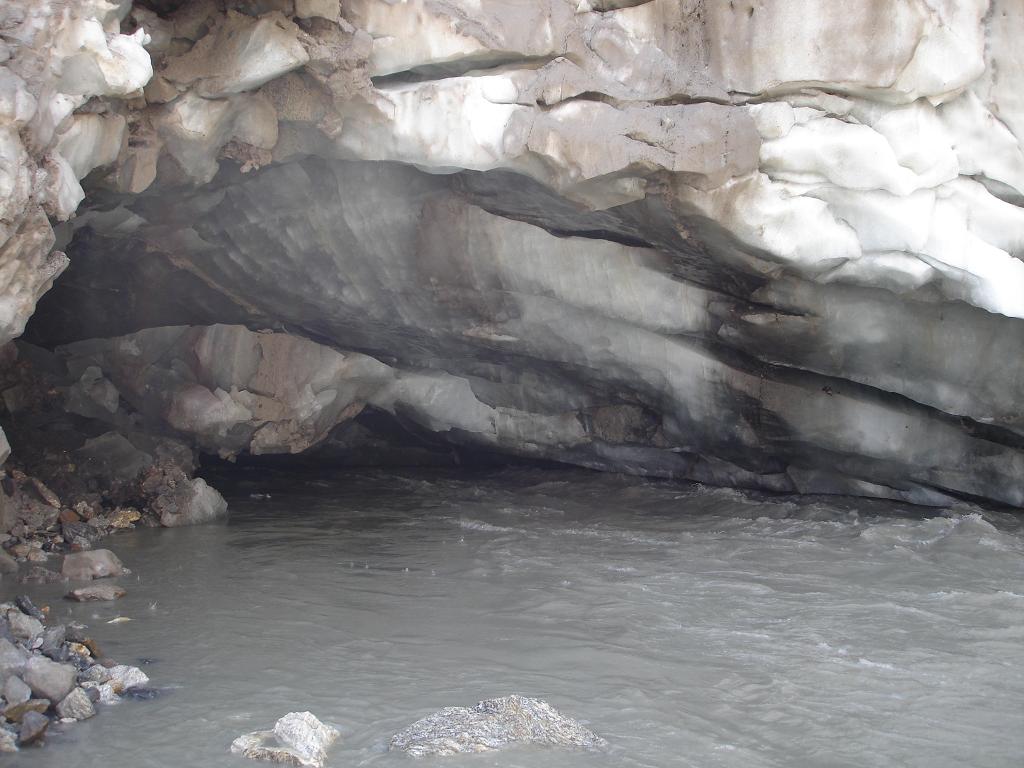
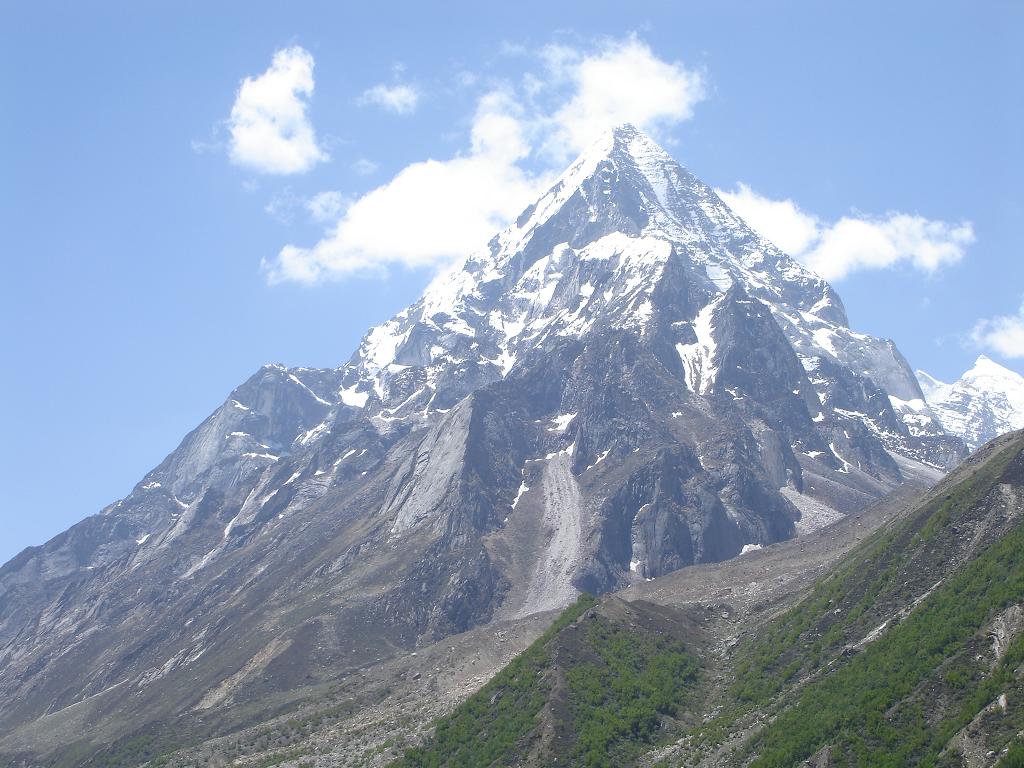
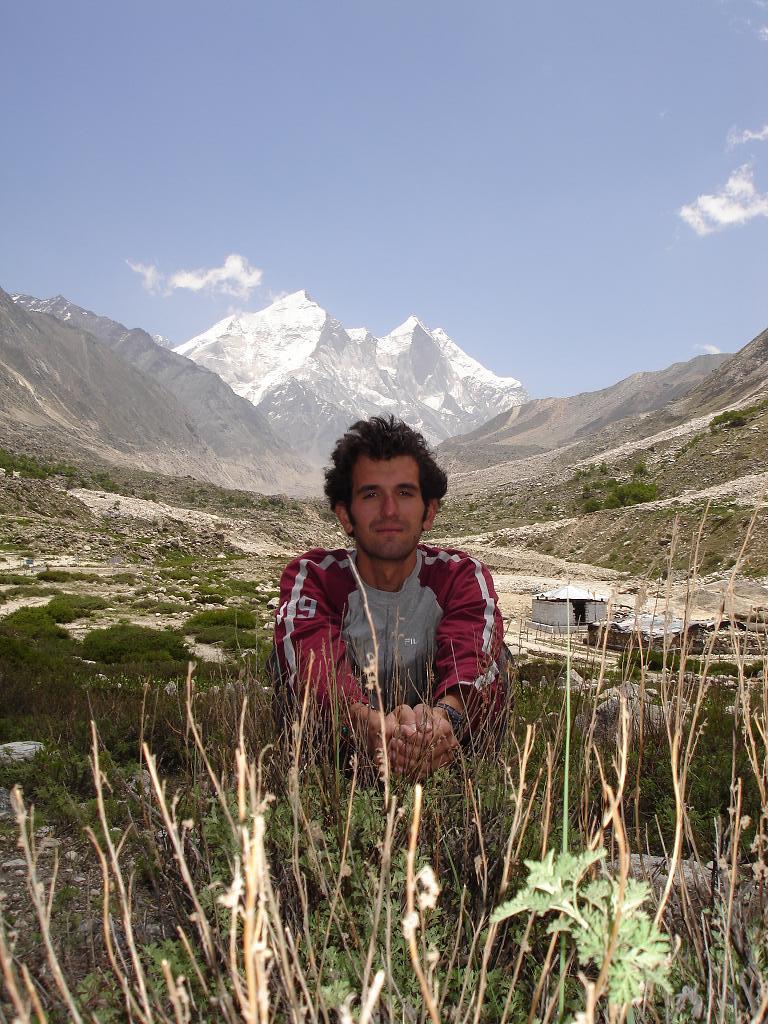
Just returned from the trek to Gangotri and Gaumukh glacier. I now suspect that as longer it takes for the bus to reach (15 hours from Haridwar), the more beatiful the destination is.


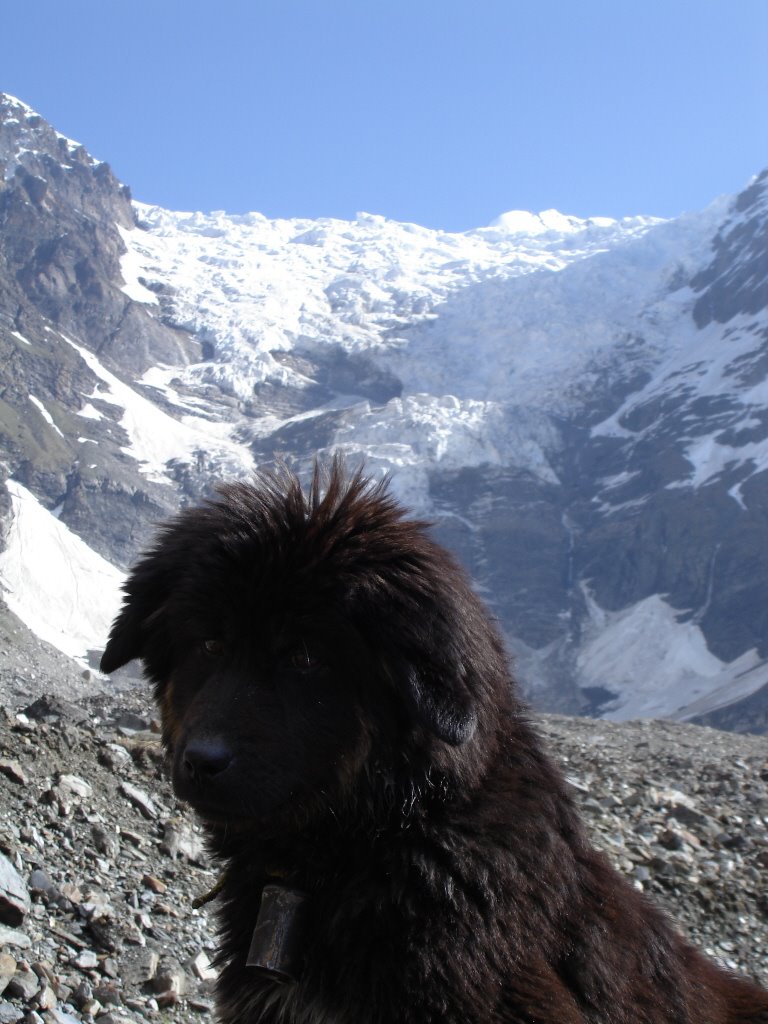
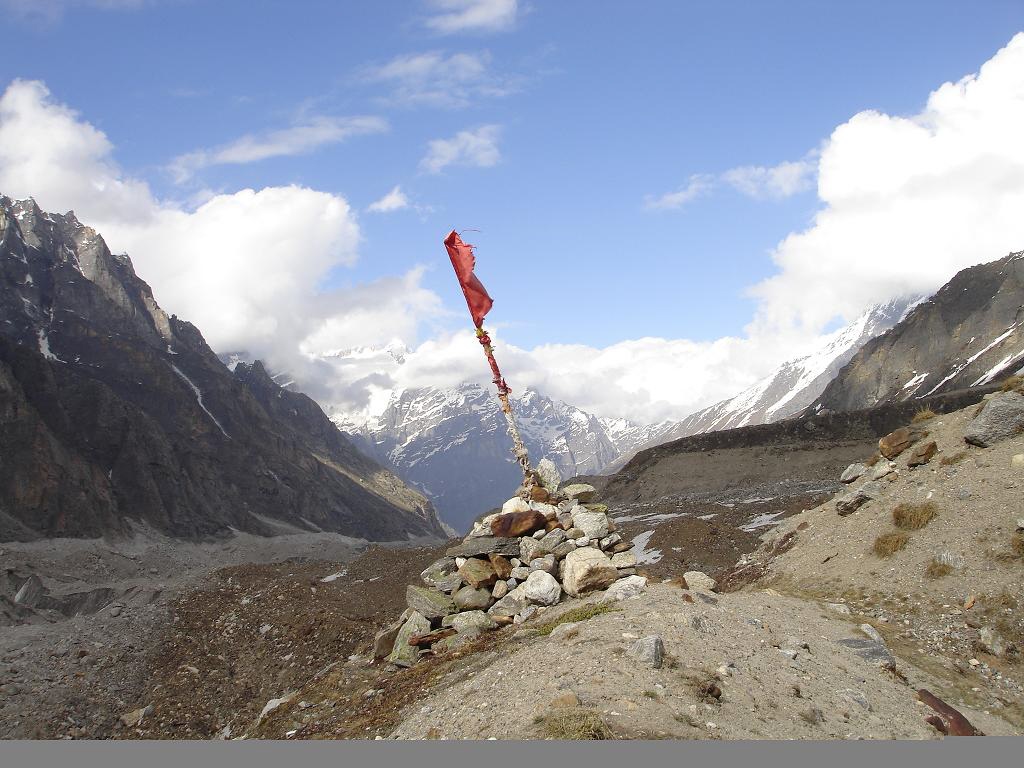
Gangotri is a village with a temple of great importance for Hindus, and from there starts the trek to Gaumukh, "Cow-Head", the physical source of Ganga Maya. Here it starts:


Really cool place :)


Jai Ganga!


Tuesday, June 06, 2006

Local buses

This is a long journey... With an intention to go for Milam glacier trek, I've arrived to Munsyari village (just 11 hours by bus). The fun never stops in Indian buses. The locals sitting nearby ask exactly the same questions in the same precise order. One Australian guy I was talking to suggested to print a T-shirt with answers. It will go something like this:
1. Israel
2. 3 months
3. Computers
4. Yes, I like India
5. Yes, it's compulsory in Israel to go to the army
6. Girls also
7. No, not married
8. 27
... and so on. I think they have a subject in school "talk with gora" (means white, that's how the foreigners are called in villages). Although it's amusing, answering these questions 10 times a day can get on one's nerves. I'll improvise the answers next time :) Anyway, a guy sitting next to me in the bus presented me a huge bottle of rum. He's in the military service (which is at least 10 years in India, not compulsory :)), and apparently they get 6 bottles like this a year. It had a label "for use by military personnel only" and it was really heavy, so I gave it as a present to the guest house manager in Munsyari. This village has the best view on Himalayan range I've seen, including Nanda Devi (7800) just nearby. Unfortunately, it was raining for 3 days I've spent there, so I gave up the trek idea. Coming back by share jeep, I've arrived at Nainital, a hill station located near a Naini lake, which is supposed to be an eye of Shiva's wife. They call this place "The Switzerland of India", and soon I figured out it's not because of the lake, but because of the hotel prices... Reminded me of Eilat in some way. One night there and again by bus back to Haridwar, with thousands of baba here, smoking chillums and begging for money. I haven't decided if to go to another trek in Uttaranchal, or make my way to the Israeliada in Kulu and Parvati valley... Anyway, I have to rest some time from this life on bus seat.
bom

Thursday, June 01, 2006

Almora


Just got back to civilization - Almora, a cute hill station in eastern Uttaranchal. Finally, money change, internet, electricity, running water and good food. Made the Pindary trek alone, took 6 days. Words are useless to describe this piece of heaven.


The Himalaya are just there, and it's enough. Forestes, animals, waterfalls...


I'm stuck in this area. Just resting for a couple of days, and again challo trekking :)

Wednesday, May 24, 2006

Uttaranchal

From Haridwar we took a bus to Rishikesh, which is known as 'yoga world capital'. There is indeed a huge variety of ashrams and schools for different kinds of yoga and meditation. The town itself is located on the Ganges, it's a holy place that attracts devoted Hindus, like Haridwar, but is more tourists-oriented, cleaner and greener. I took a yoga class and it was ok, but I felt like moving away from all the noise around. So, after 2 days we went north-east to a little place called Govindghat, a base for some nice treks. We made the trek to the Valley of Flowers, which is located in altitude of 3500 meters. People all along the way up told us it was closed, but we decided to check this out. The way up was a little hard, but there were amazing views all along. The valley was open, although most of the flowers were sleeping. The season is at August, when all the valley is covered with thousands of different kinds of flowers. However, now it's very nice also, some flowers are already flourishing, lots of birds, and the area is very calm and peaceful. Since there are no visitors, accomodation in the nearby village is very cheap. We had nice time there and came all the way down, to catch a bus to Badrinath, which is one of the most important places for every Hindu piligrim.


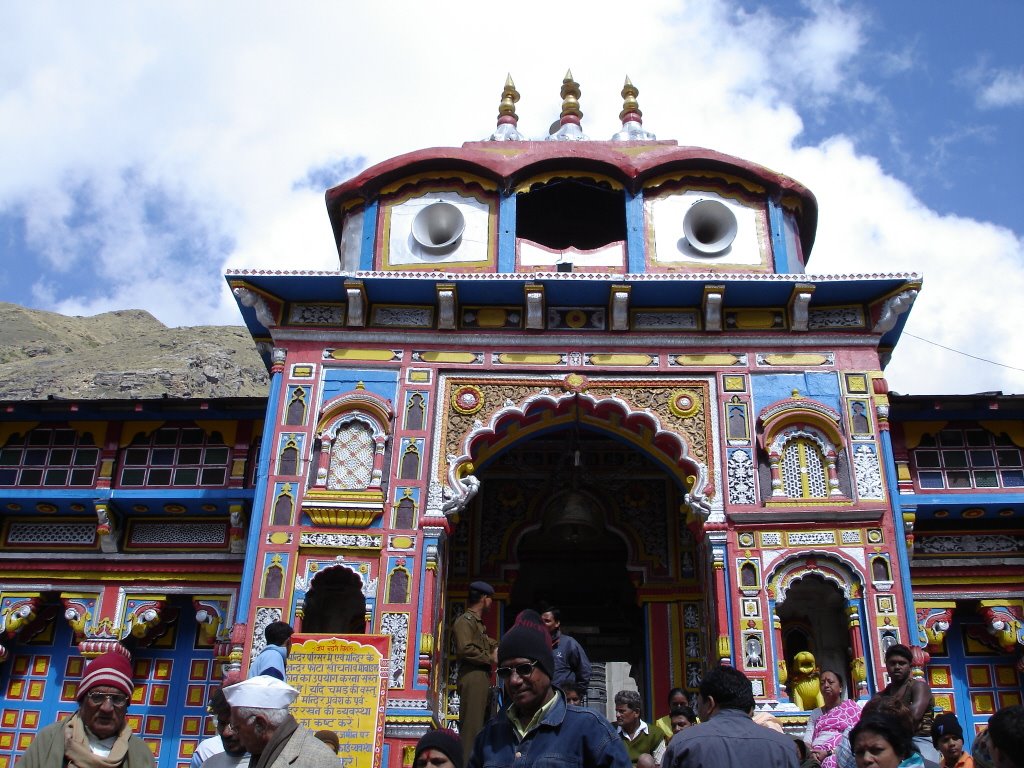
The town is very noisy. The temple has beatiful paintings, but there's a 200 meters line of people, waiting from the night to get in. Many baba.


May and June are the season for yatra, the Hindu piligrimage, so thousands of Indian tourists come there. The price for a room in hotel was ridiculous. We walked just 3 km up the hill and came to Mana village. Mana is a real beaty, so quiet and the views are breath-taking. Many tiny temples are hidden up the hills around. There are no formal guest houses, since Mana isn't discovered by tourists (yet). We stayed in a post office in a really luxury room. Just above it was a steep trail up hill, which lead to a little temple. Nice time sitting there, doing meditation, with an astonishing view to both sides of the valley. After relaxing for 2 days, we made a 3-days trek north to Sathwan lake. Mana is the last inhabited place in India before the Chinese border, and there's no food and accomodation on the way. The route is hard to follow this time, because of the snow. We had to take a guide and porter to carry the food. We left Mana at 8:30 at morning and walked along the river. The weather was foggy and sometimes it was raining. We stopped after 8 km in a cave. Inside it was colder than outside. We were sleeping tight together to get warm, but at 4 at morning I was already dying to get out and walk. We left at 6:30. Fog was all around, but around 10 o'clock the sun appeared and the view became happier. All the way was up, after passing some hills we found ourselves in plains covered with grass, flowers and rocks, with running streams around, that afterwards join to big rivers - Ganga and Jamuna. At 16:00, after a really tough way up we reached the hill above the lake. Its shape is triangular, it is believed that the Trimurti, 3 most important gods - Brahma, Vishnu and Mahesh (reincarnation of Shiva) were meditating there, each one in other corner of the lake. Above the lake there are a few caves, with flags on them.


In one of these caves lives a real nice baba. Unlike most of babas I've met so far, he doesn't intoxicate himself with India's national herbs. His cave is warm, comfortable and peaceful. A really great place for meditation. He stays there for 6 months, and when the cold weather comes (I don't want to think what it means) he comes back down to plain side. We stayed with him for one night and next morning came all the way back to Mana. Now we're heading for next trek - to Pindari Glacier.
Good time, really :)
bom bhole !

Thursday, May 11, 2006

Haridwar

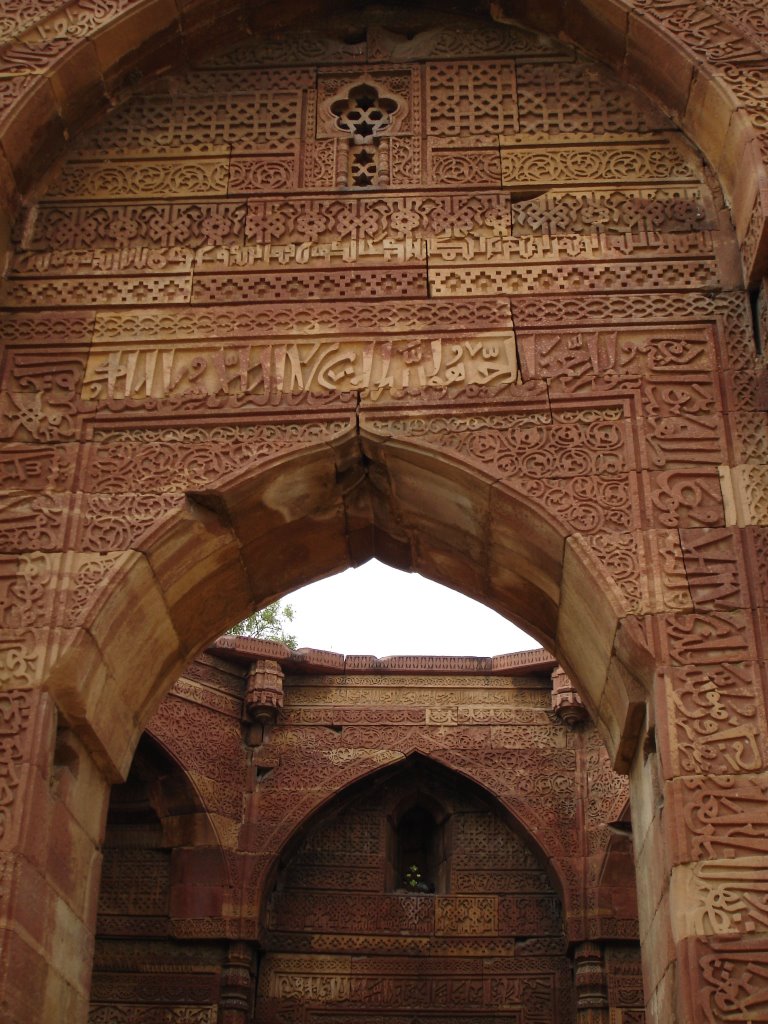
I stayed in Delhi for one night on my way north. I liked it much better than Mumbai. It's very clean in Indian standards, much more Western. The roads are good, and that's probably why there's so much traffic. Very crowded in public places, train station in noon is like a huge pack of sardins. There are many parks, with few trees and huge areas covered with grass. Amazing architecture, the Muslims have done great job.


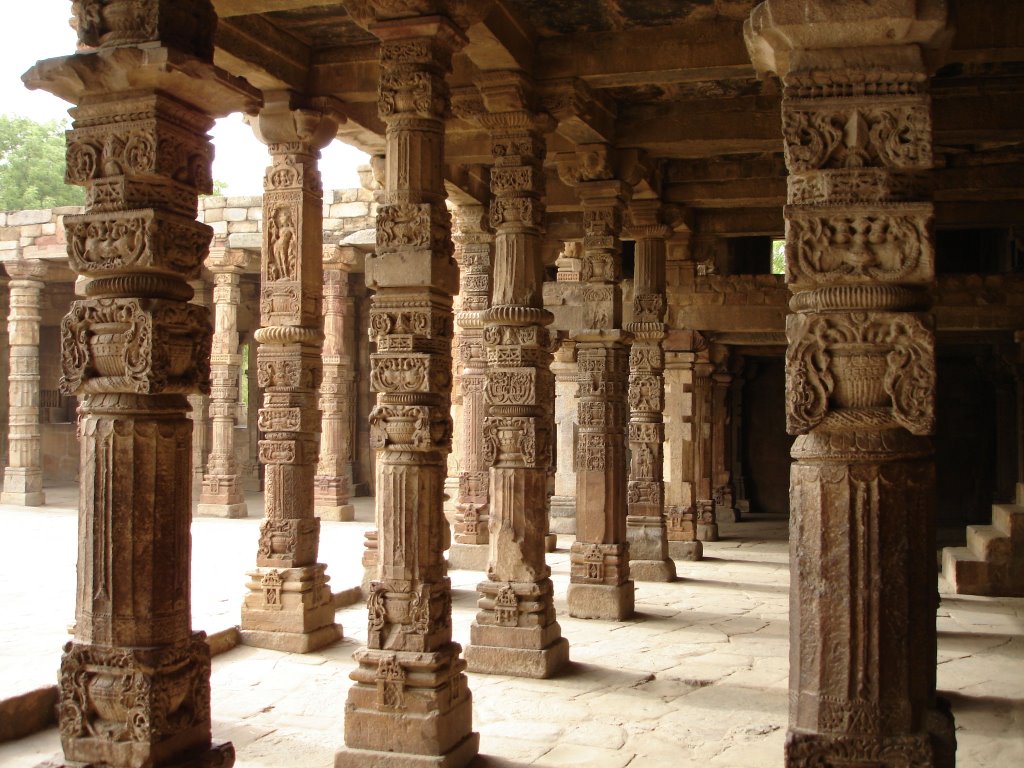
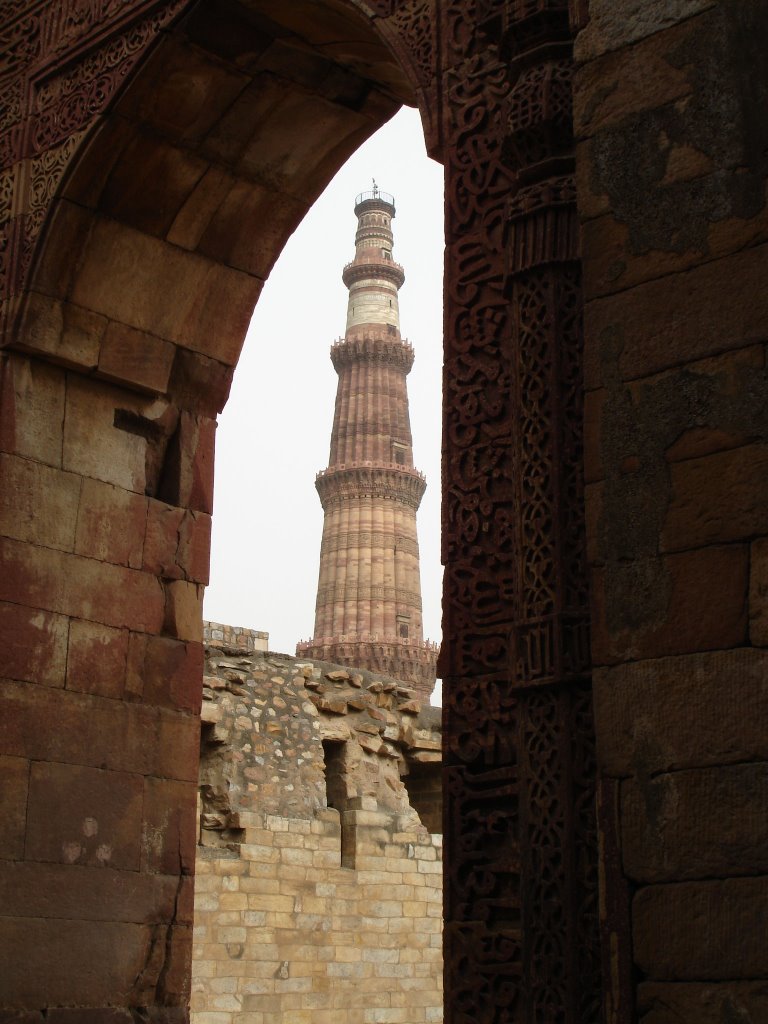
I went to Qutb Minar, some temples and museums, but took only a brief glance at Red Fort and Jama Masjid from outside, because there was blast there just a few days ago. The bazaars are very colourful and crowded, there's a huge variety of goods.

One day was just enough, it's too hot. Yesterday I've arrived in Haridwar, a holy city located on the Ganges, with thousands of piligrims, but a few tourists, most of which go to Rishikesh, just 15 km away. Haridwar is very nice. Although it's a very holy place and a big crowd of babas gather on the ghats, the city is very spiritual and it does not create pressure, like Varanasi. There are temples on hills around the city, a really convenient package tour includes cable car and a bus to travel between them. At evening time there's puja on the Har-Ki-Pairi ghat. Although it's still funny and strange for me to see all this idol worshipping, putting colors, flowers and sweets ahead of stones, and touching statues, I have to admit that it doesn't really matter and the most important thing is the faith the people share, which gives them power. Still, it sometimes seems ridiculous :)

Wednesday, May 03, 2006

Hot!

I'm back in Khajuraho, M.P. I'm hanging around with my Indian friends, by walking and by bike. There are nice places around I'm planning to visit, some of them I didn't manage to go to last time I've been here. It's very hot now, about 45 degrees, I think. I drink about 10 liters of water a day, and constantly wet my clothes, but all water just evaporates very quickly. At night time and early morning it's better. Now it's weddings' season, there is at least one every day. Buses full of people drive from the villages, bringing family and friends. I'm planning to go to one of these events next week, and then challo to the North.
Happy Independence, Israel! :)

Thursday, April 27, 2006

Around Annapurna


Day 1. I've started the trek at April 5, the day before the big strike has begun in Nepal. I've arrived by bus from Kathmandu to Dumre, where I've met Saila (or Chris), a Nepali guide. At first, I was planning to go for an 8-days trek, to Manang and back. We took another bus to Beshisahar, at the east side. The ride on the roof was fun, seeing the villagers working on rice plantations...
Day 2. We started walking at 7 am, on the way towards the mountains, following a river and crossing it several times on swaying bridges. After 4 hours we stopped at Ngadi, and didn't make the way up, since it started raining and the place looked cheap. We went looking around, and I learned some Nepali songs (I was forced to sing).
Day 3. The day was beatiful, we got up early, walked fast, mostly on flat trail with a little bit up, with plenty of stops to rest. The trail is following the river, many waterfalls views on the way. We stopped in Jagat, a shower was a gift from the sky. When I was out, Chris said that there are Maoists who want money for pass. They even gave a receipt.
Day 4. At 5:30 we were on our way. We've entered the Manang district, and in a village named Tal we first saw snow. Although it was pretty hot, there was a lot on the roads and some on the roofs. We stopped in Danaque at 14:30.
Day 5. A relatively short walk with some steep ways up. We passed Lamjung mountain, and I made a picture of Annapurna just before the check post in Chame.


There were 7 Israelis in Chame that night, as far as I've counted. Invasion :) I've decided to try going through Thorong pass, and complete the circuit.
Day 6. It was raining at morning, we started walking at 7:30. The plants changed, only pines left from the trees. We passed Pishang at 11. It started snowing, and it just became stronger as the time passed. At first, the snow was melting in the dirt on the road, but after a few hours all was covered with white, and it became very cold. Walking was very good, I felt full of energy. We stopped at Humde.
Day 7. We passed Manang, and walked for 2 more hours. We stopped in Yak Kharka, about 4000m altitude. All was snow around. Weather was nice, freezing at night, but at noon it was good to walk with T-shirt. Lot of hand made stuff sold on the way, but I didn't buy any, since there's a long way up :)
Day 8. It was hard walking in morning. Bells ringing in the ears, very difficult to get full breath. All the way is up, sometimes steep. We left at 5:40, stopped at 8 in a little tea shop. The prices in the mountains are very high, since it takes many days to bring food up there. The rooms are cheap, or for free. There's a clear difference between Nepali price and Tourist price. I'm lucky to have Chris, who made all the orders for me. I found out that I have no altitude sickness medicine. I wasn't sure that I had altitude sickness, but in any case I've decided to try some Nepali herbal medicine. Maybe the garlic soup helped, but I've managed to walk more for 2.5 hours, slowly, but confidently. The weather was beatiful, sun was shining and clouds seemed close enough to touch them. Mountain peaks around. From plants only some thorns left. We passed Phedi, and saved about 300 m from tomorrow's walk up, stopping at Thorong High Camp. I intended to make the pass tonight (Seder Night :)).


Day 9. We started walking at 2:45 am. The weather was clear, no wind and not cold. After 1 hour walk we got up 200 m. It was hard, all the time I wanted to sigh. After 1 min walking we had to rest for 3 min. After drinking some tea in a tiny teashop, we walked up for 1.5 more hours. The moon has gone, it was dark and VERY cold. When we reached the pass, the sun was already up. I wanted to take some pictures, there was a sign there, saying 'You're now on Thorong Pass, 5400 and something meters', or something like that. I hardly managed to take out the camera, and had to remove my gloves with my teeth. After 3 attempts I've succeeded to turn it on, but setting the timer was too difficult for me. I made some pictures of the view, almost fainting, and used my teeth to get the gloves back on.
The way down was very beatiful and great fun. It was always a surprise to fall in the snow. Although the altitude was still about 5000 m, breathing came easily, so I guess everything is in mind. We arrived at Muktinath at 10:30. I have to say that it seems very hard to do the trek on the opposite direction, the way from Muktinath to the pass is steer up, and it's like 10 hours of hard walking... suicide, but there are people who do this. Muktinath was nice place to rest and buy some authentic Nepali stuff. Great apple pies, too :)
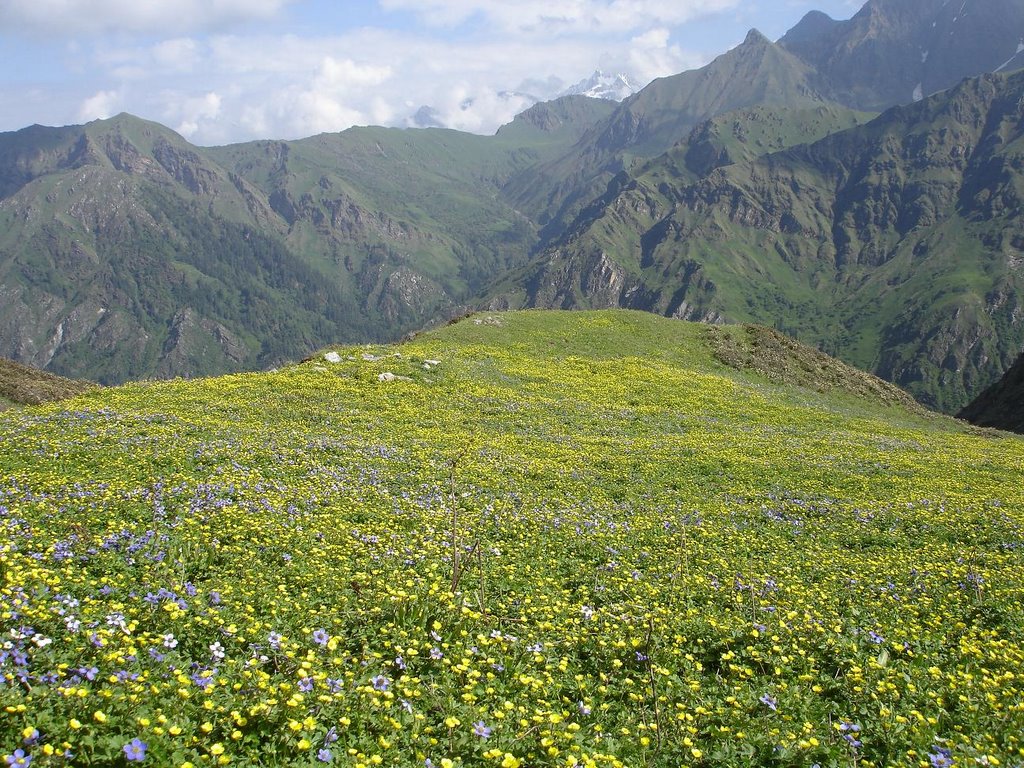
The next day, we went down to the valley, which is waste land with rocks, some villages here and there. Very strong wind. We continued walking for 2 more days on a flat road. Lots of trees and plants were around, the weather was hot. The strike was still going on, very much reminding of Yom Kippur - only ambulances and bicycles on streets. We managed to get to Kushma, and tried to bribe an ambulance driver to get us to Pokhara. The price he was asking was unreasonable, so we decided we would walk. On the way, a UN jeep caught up with us.
- Good day sir, - I said to the driver, - can you please give us a ride?
Inside the jeep, except the driver (who looked Indian), there was a Western couple (looking British).
- I'm sorry, - the driver said, - I'd like to, but it's not our policy.
- I see, - I said. - But there's no transportation, maybe you can help us?
- I'm sorry, - the driver said. - It's not our policy. I hope you understand. Please don't mind. - And he was gone.
It was easy walking on asphalt, but the boring road made me very tired. The roads were blocked by Maoists, trucks and buses that broke the strike were hit by rocks. We arrived at Pokhara at April 18. There was curfew in the city, although people didn't really take it seriously. When the soldiers appeared on street, they hided, and shops were closed (or half closed). On the Lakeside, the tourist area of Pokhara, business was almost as usual, I was able to change money. We stayed for 3 days in Chris' relatives' house, and started walking to Dumre, where the rest of my luggage was. The road took 2 days, we managed to buy bikes on the second day, so it was fun. I stayed at Chris's home, in Dumre, and waited for the strike to stop. There were big rallies and riots in Kathmandu, 20 people died. Meanwhile, we went looking around, there was a big cave on a hill near the village, can easily get lost inside. At last, at April 25 the transportation started, after the 7-Party Alliance accepted the king's proposal to re-establish the house of representatives in the country. However, the Maoists were still continuing with their struggle. I'm really doubtful if they will ever agree to a peaceful solution. As far as I know, a part of their idea is to come to rule with the help of civil war, and in no place in the world they did it other way. I left Dumre the next day, on a bus to Narayangad, from where there was another bus, to near the Indian border. The bus stopped after 2 hours. The road was blocked with 2 trucks and piles of rocks. I was really desperate. I had money for only 1 day, and I had no idea where to go. After 2 hours waiting, a message from God arrived in a shape of an old white Toyota, with 2 Austrian tourists. I couldn't ignore the message, so I joined them. The driver took us through fields of mud, with the help of local villagers who pushed the car out, and we managed to pass the road block. After that, the road was pretty easy. We stopped just to fix a tire-puncture and to attent a Maoist rally in some village. There were like 20 young soldiers, looking very serious and highly motivated. The Maoists were very welcoming, maybe because I clapped for some of the speakers. We got to Sunauli border at 6 pm.
I was so relieved I got out! I loved Nepal very much, but the current situation really makes travelling there a fucking mess. Next time it will be better, I hope. Now, I'm back to Varanasi, enjoying fast connection and a lot of transportation. One thing for sure, the strike was very good to the ecological situation in Nepal. Getting again into all the mess on the streets here was a shock, but I'll get used to it again :)